
Hurricane garage door prep for Tampa Bay.
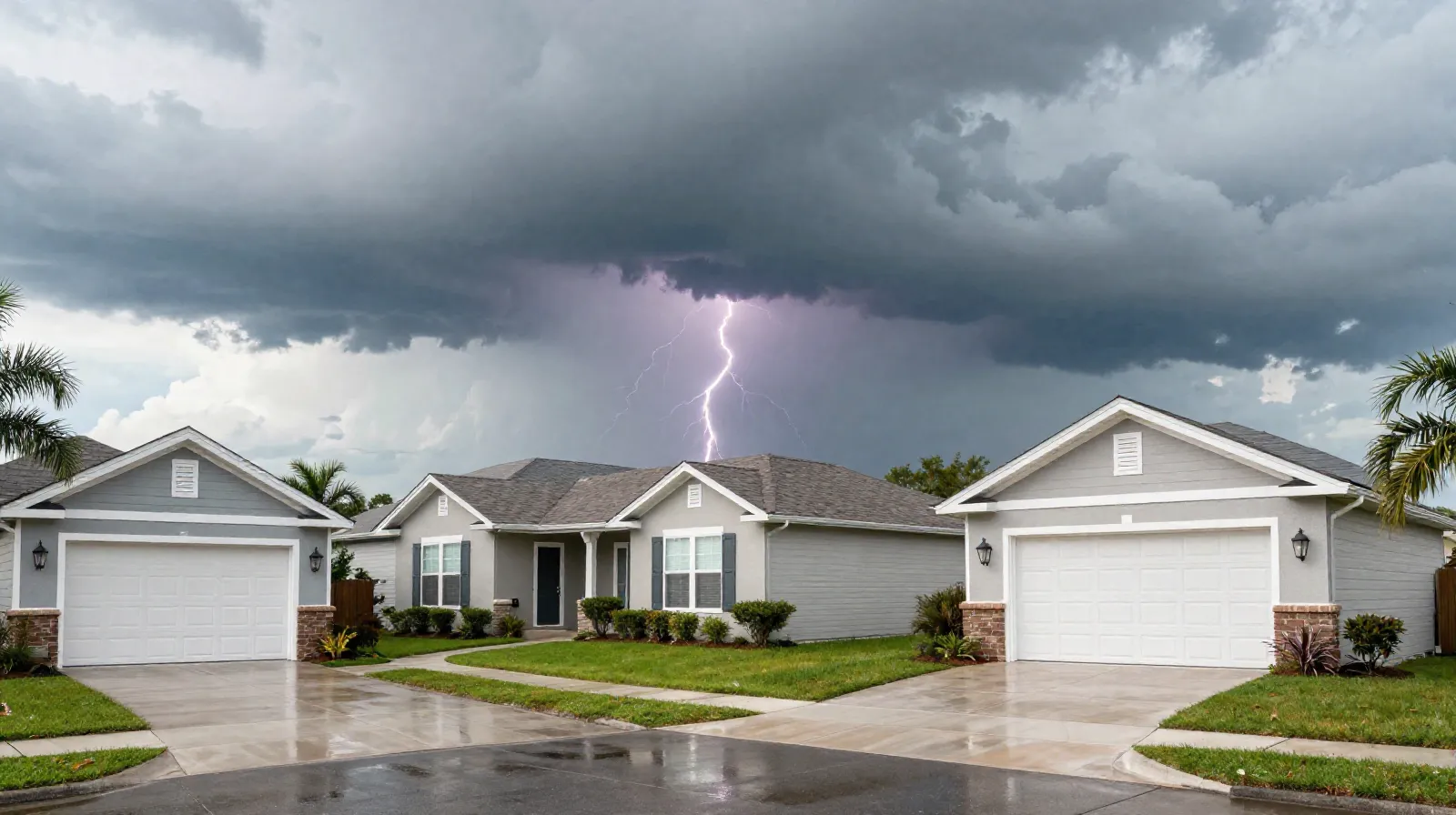
Hurricane garage door prep in Tampa Bay is mostly simple work you can do in a weekend, plus a few things to hand to a technician before the storm is on the map. This guide walks through what to check before the season, what bracing really means, and what to look at once the wind has passed.
The short answer. To get a hurricane garage door ready in Tampa Bay, find out whether your door is wind rated, have a technician look at the springs, cables and rollers before June, clear the garage, and learn how the manual release works. If you use a brace, use one made for your door. After a storm, never force a damaged door.
Why a hurricane garage door matters on Florida homes
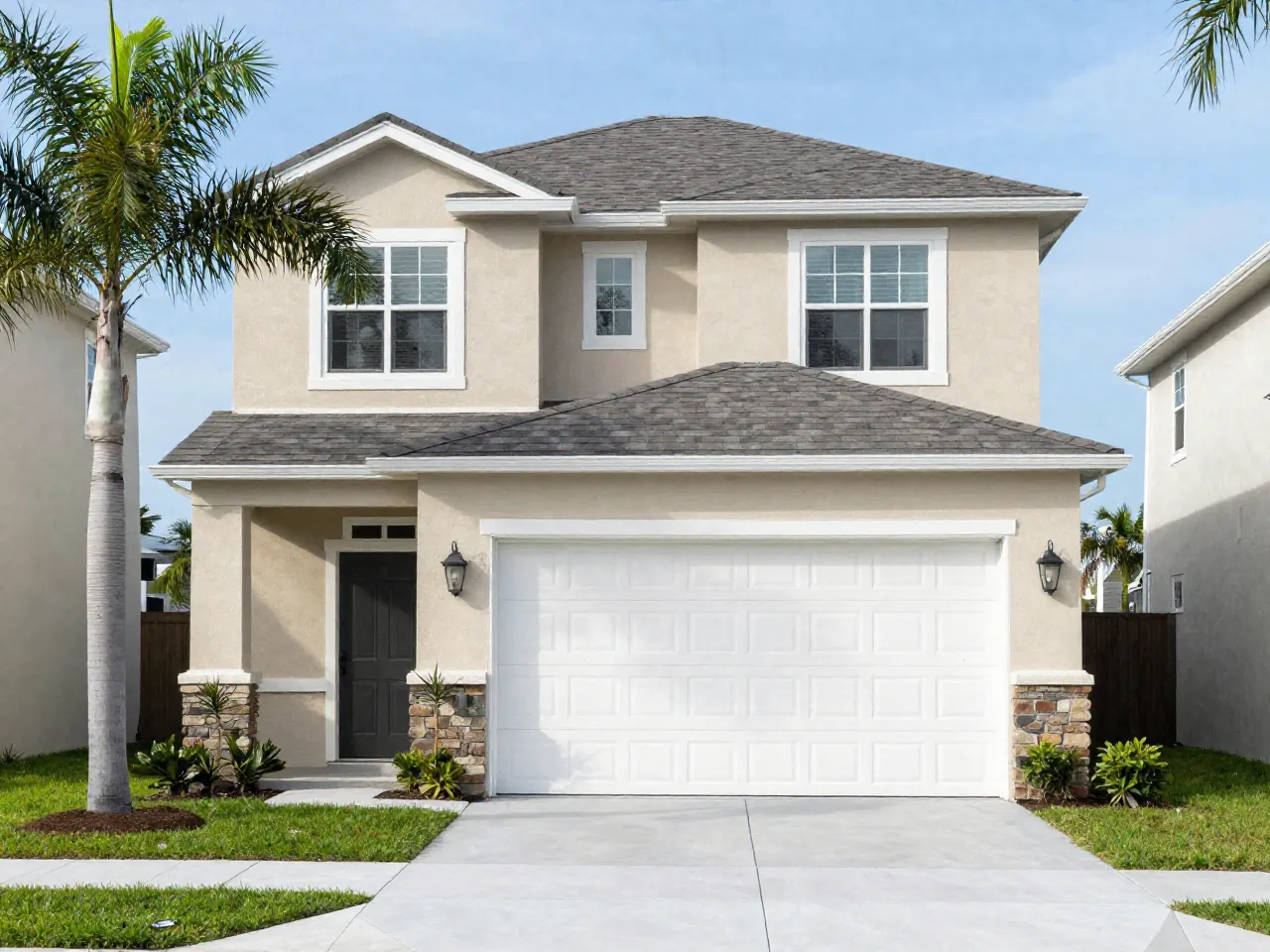
On most Tampa Bay houses the garage door is the widest opening in the outside wall. It is wider than the front door and wider than any window. That size is exactly why it matters in a storm. A big, flat panel catches a lot of wind, and it is held in place by tracks, rollers and hinges rather than a solid frame on every side.
When strong wind pushes on a garage door, the door flexes. A door built and installed for Florida wind is meant to flex and hold. An older door that was never designed for that load can bow inward, pop out of its tracks or tear loose. Once the opening is gone, wind can rush into the garage and from there into the rest of the house. Wind inside a house pushes up on the roof and out on the walls from the inside, which is the opposite of what the structure was built to handle.
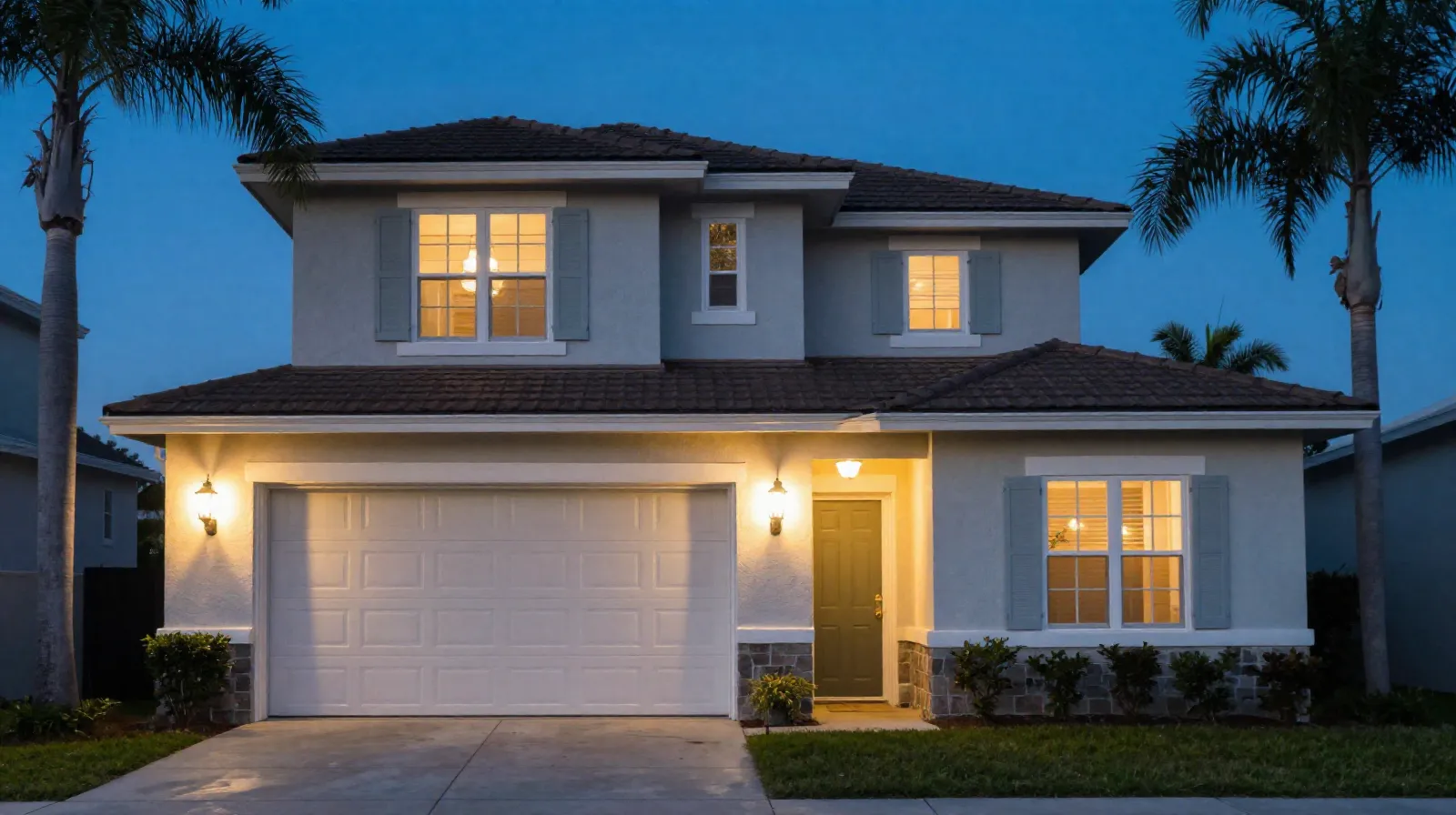
That is why Florida treats the garage door as part of the building envelope, the same as windows and entry doors. Garage door hurricane protection is less about the door looking strong and more about the whole system holding together. That means the door, the tracks, the mounting into the wall framing and the hardware that ties it all together.
You do not need to become an engineer to get this right. You need to know what kind of door you have, whether its moving parts are in good shape, and what to do on the day a storm is coming.
If your door already has problems, such as a broken spring or a cable that looks frayed, deal with those first. A door that is not working properly will not do its job in a storm either. You can read about garage door spring repair and garage door cable repair to see what those problems look like.
Wind rated vs impact garage door what the labels mean
People use the phrase hurricane proof garage door a lot, but no door is truly proof against every storm. What you will find are doors tested and rated to resist a certain wind load, and some that are also tested to resist impact from flying debris. Those are two different things, and it helps to know which one you have.
| Wind rated door | Impact rated door | |
|---|---|---|
| What it is tested for | Holding up against wind pressure pushing in and pulling out | Wind pressure plus a strike from flying debris |
| How you can tell | A label or paperwork listing its wind rating | A label or paperwork listing both wind and impact ratings |
| Where it is common | Many newer Florida homes and replacement doors | Areas where local code or the homeowner asks for impact protection |
| What to ask a technician | Is the rating right for my house and location | Does my area call for impact rated openings |
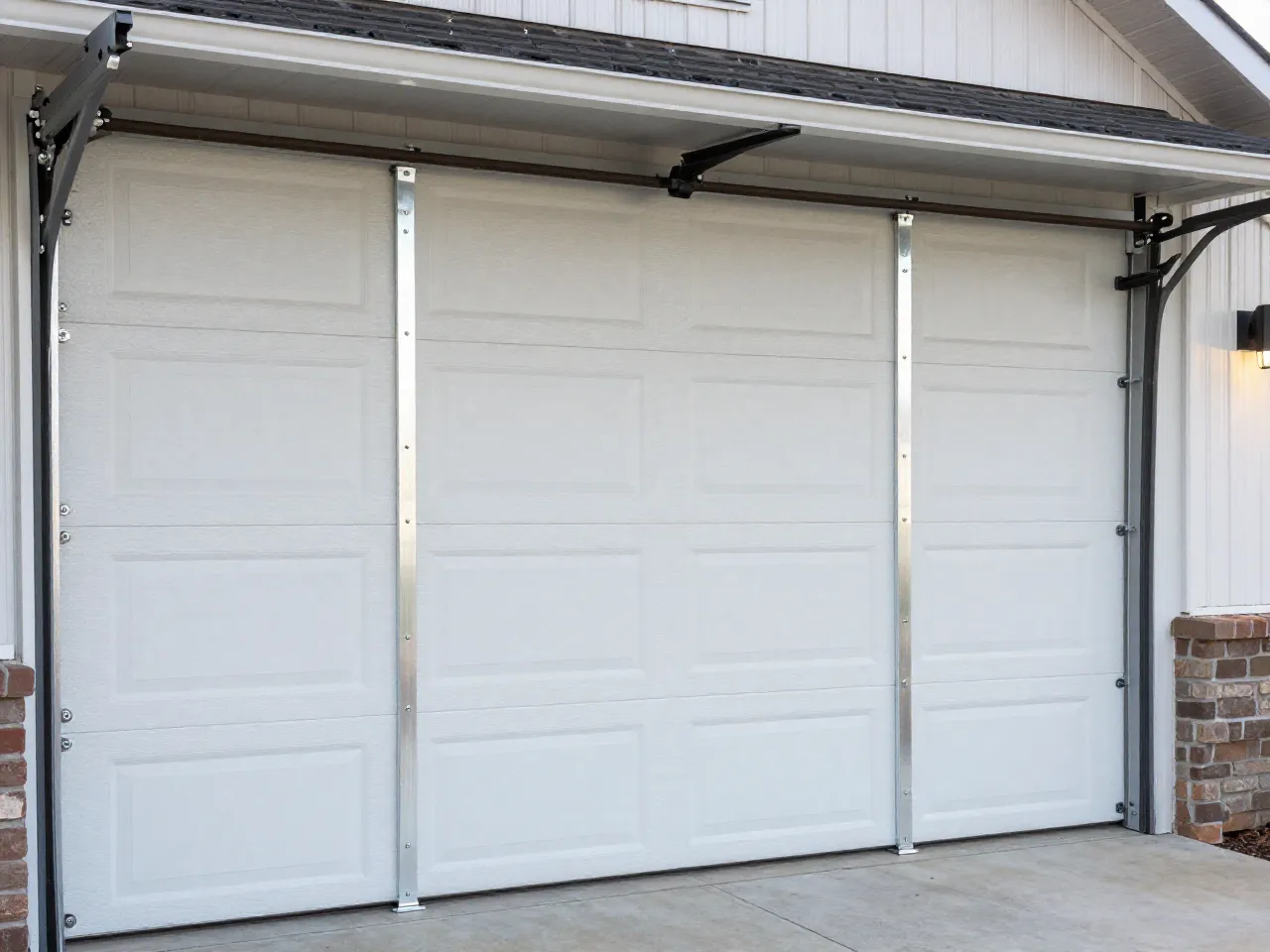
A wind rated garage door is built and tested to stay in its opening under a set wind load. It often has heavier gauge steel, stronger hinges, reinforcing struts across the sections and tracks and brackets matched to the door. An impact garage door goes a step further. It is also tested to stay closed after something hits it, such as a branch or a piece of a fence.
Rated doors usually carry a label on the inside of the door, and where it sits varies by maker. It may list the maker, the model and the design wind pressure the door is rated for. If you cannot find a label and have no paperwork from the sale, a technician can usually tell you a lot from the door and its hardware. The Florida Building Commission is the body behind the statewide code if you want to read further.
Garage door hurricane brace kits and their limits
A garage door hurricane brace is a set of vertical posts that fit behind the closed door. The posts attach at the floor and at the header above the door, and they help the door resist wind pushing inward. Some doors are designed to be used with a brace kit. Others carry their wind rating without one. The door's paperwork or its maker can tell you which kind you have.
The key rule is simple. A brace only helps if it was made and rated for your specific door, and it is installed exactly the way the maker says. A brace that does not match the door can concentrate force in the wrong place. It can crack a section or pull an anchor out of the floor at the worst moment.
Should you build your own brace
No. Homemade braces made from lumber, straps or pipe are a common idea on storm prep forums, and they are not a good one. You have no way to know how they will behave under load, and drilling into the door, the floor or the header can weaken parts that were holding fine. If you think your door needs bracing, ask a technician whether a rated kit exists for your model.
- Ask whether your door model has a rated brace kit from the maker
- Have the floor and header anchors put in before the season, not the day of the storm
- Practice setting the brace once in calm weather so you know the steps
- Store the posts somewhere you can reach them with the power out
- Remove the brace after the storm before you try to open the door
A braced door cannot be opened, so plan your car and your exit around it. If you have no other way out of the house except through the garage, think about that before the storm, not during it.
Before hurricane season in Tampa Bay
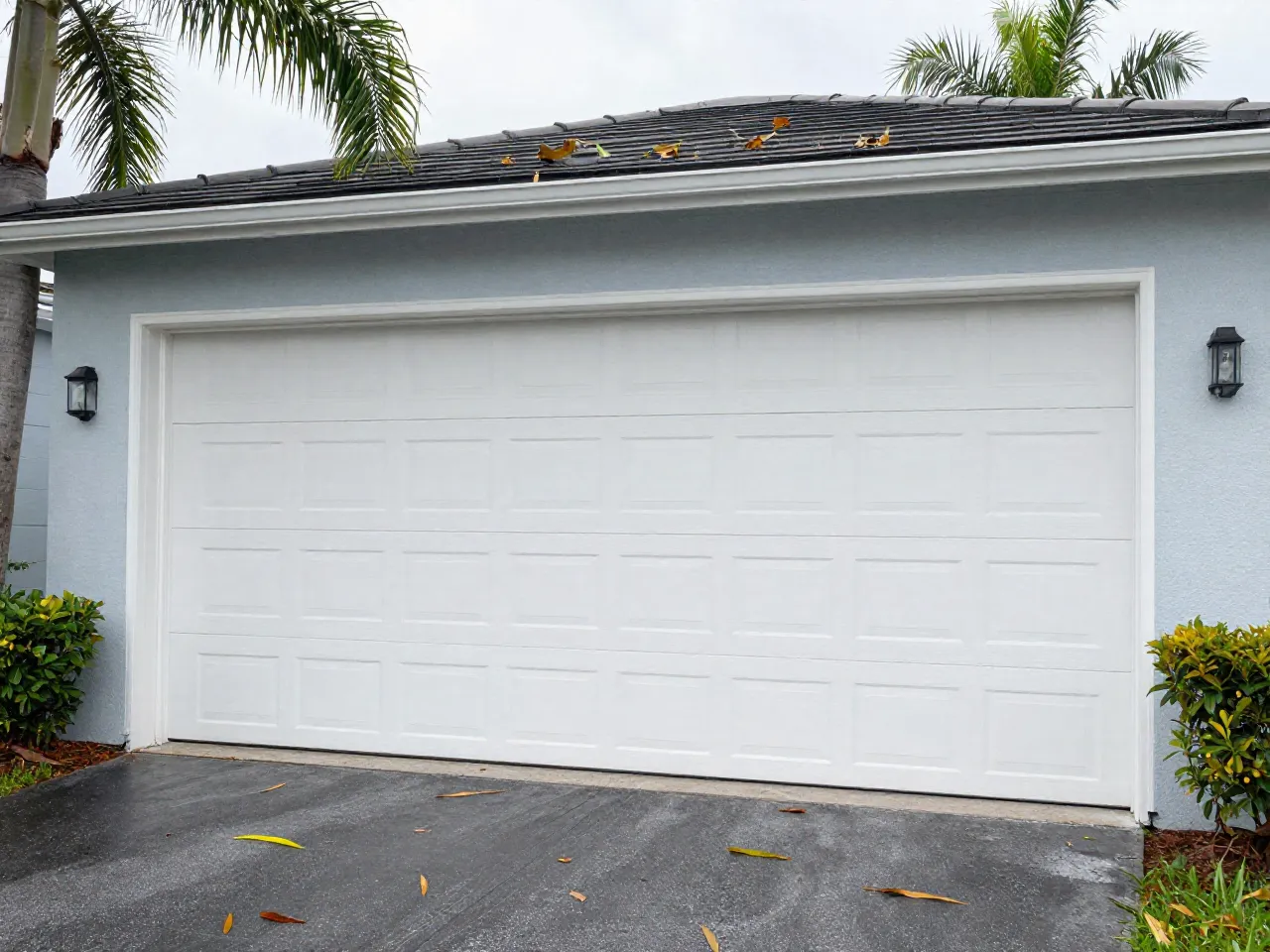
Atlantic hurricane season runs from June 1 to November 30. The calm months before June are the easy time to get your door looked at. In the days before a storm, everyone is busy and parts can be hard to get.
What a technician should look at
Springs, cables, drums and the bottom brackets are under heavy tension, so leave them to a technician. Ask for a full check of the door before the season. That includes the springs for gaps or rust, the lift cables for fraying, the rollers and hinges for wear, the tracks for bends or loose bolts, and the way the door is fastened to the wall framing. Salt air near the bay and the Gulf wears hardware faster, so homes close to the water may need more attention. Our guide to garage door rust in Tampa Bay covers what that wear looks like.
What you can check yourself
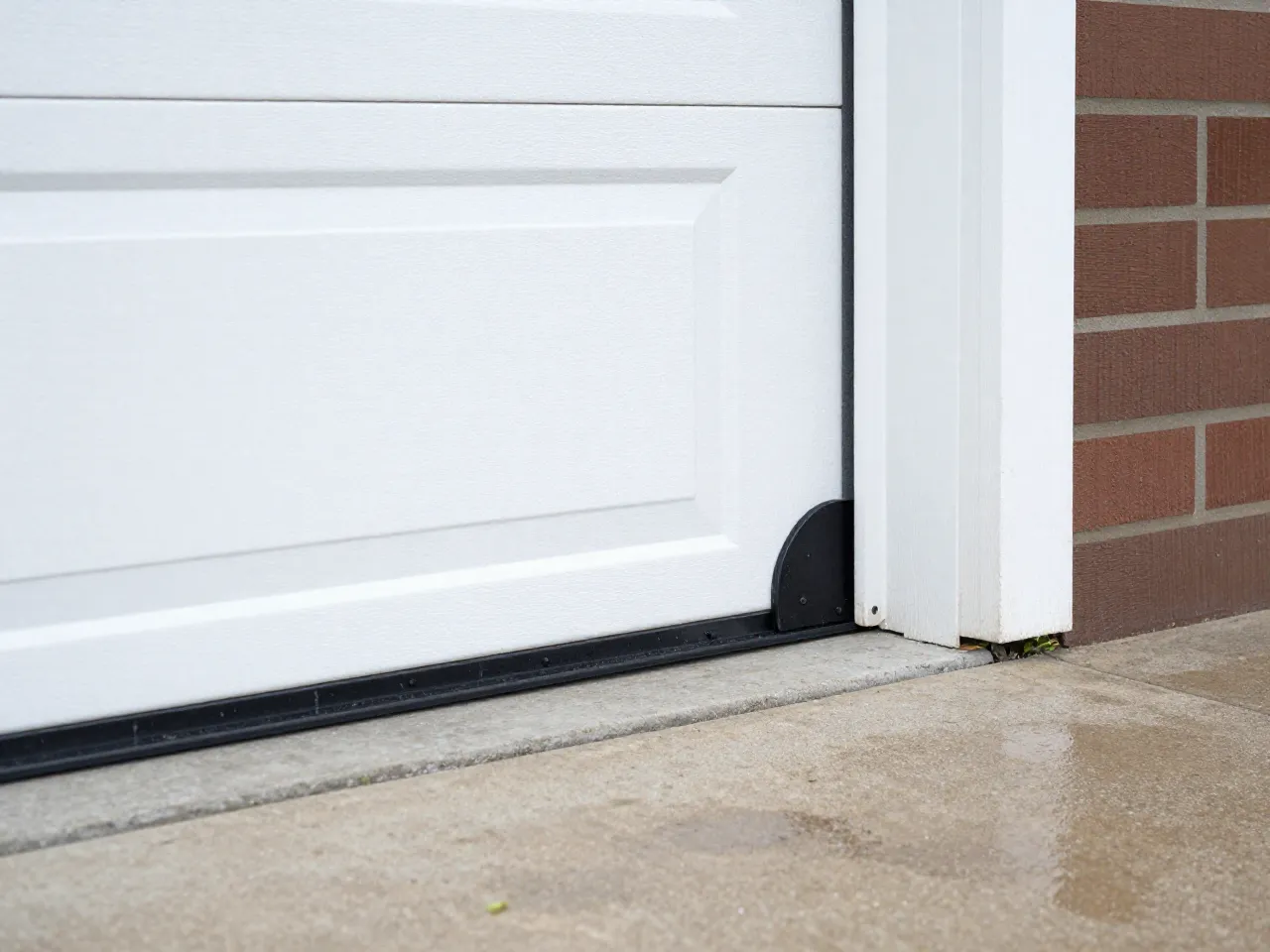
- Look at the weatherstrip along the bottom and sides for cracks or gaps that let rain in
- Watch the door open and close and listen for grinding, jerking or a loud bang
- Test the opener safety sensors by closing the door and waving something through the beam
- Change the opener remote and keypad batteries
- Clear leaves and grit from the floor where the door closes
If something seems off, write it down and book a visit before the season. Our garage door maintenance guide for Tampa Bay has a longer list of checks for the rest of the year. For noisy or slow openers, see garage door opener repair.
Clear the garage
Anything loose in the garage can become a problem if the door fails or the wind finds a gap. Move bikes, ladders and tools away from the door. Keep the space right behind the door clear so a brace can go in and nothing leans on the panels. Bring patio furniture, trash cans and grills inside if there is room, so they are not flying around the yard.
Power outages and the manual release
Storms often knock out power, and a garage door opener does not work without it unless it has a battery backup. Openers have a manual release, often a red handle on a cord hanging from the rail. Pulling it disconnects the door from the opener so you can lift the door by hand.
Use the manual release only when the door is fully closed and the springs are intact. The springs carry most of the weight of the door. If a spring is broken, the door is far heavier than it looks, and releasing it can let it drop. If you see a gap in a spring or the door feels very heavy, stop and leave it closed.
Once the power is back, close the door by hand and run the opener. Many openers reconnect to the door on the next up or down run, and the opener manual explains the steps for your model. If yours does not reconnect, or it hums without moving, a technician can sort it out. Some homeowners add a battery backup opener so they can get the car out during an outage. That is worth asking about if your home loses power often.
For the rest of the house, Ready.gov hurricane advice covers supplies, plans and what to do when the power goes out.
After a hurricane in Hillsborough, Pinellas and Pasco what to check
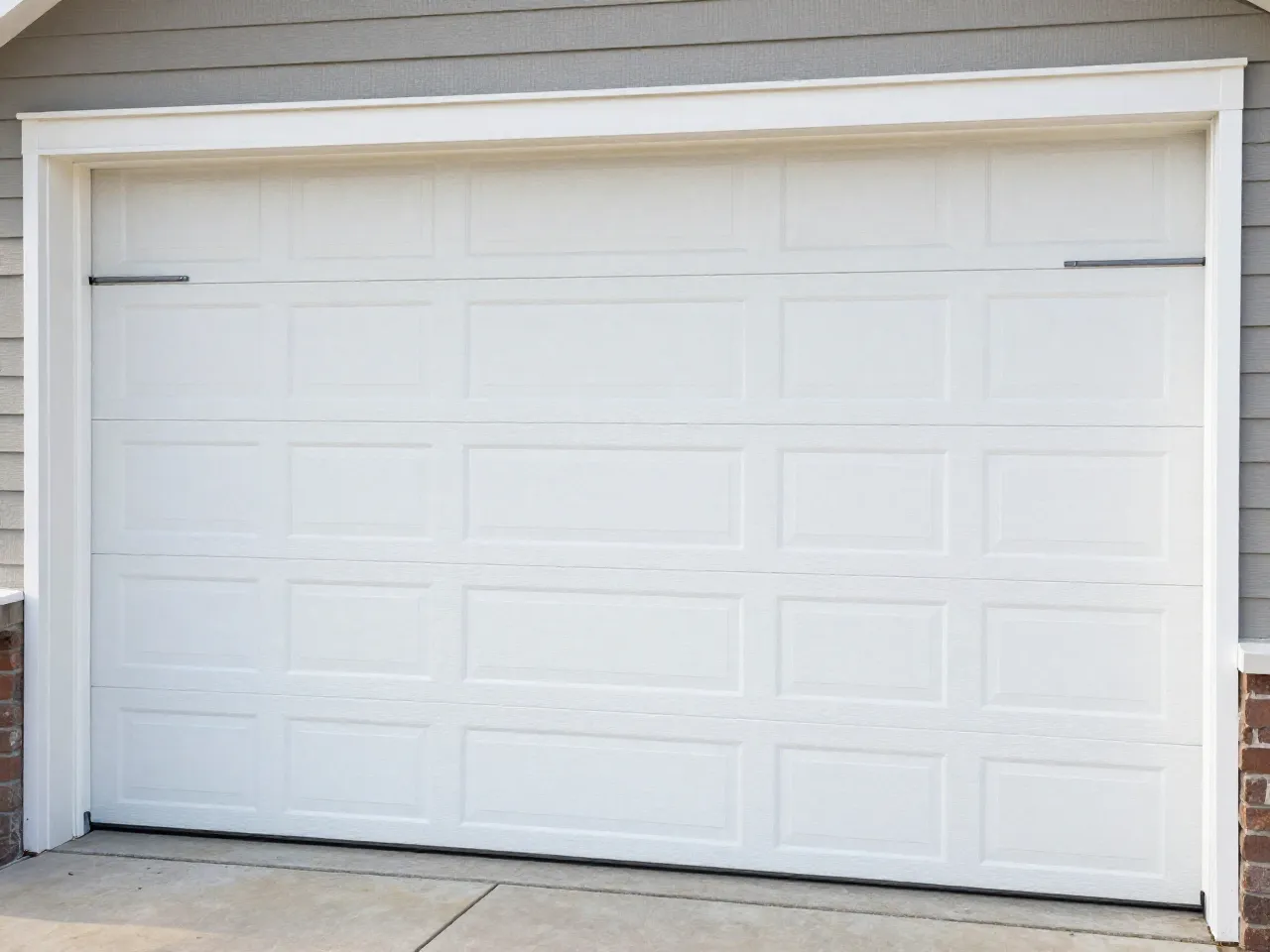
When the storm has passed and it is safe to go outside, look at the garage door before you touch the opener. Walk around the outside first. Look for dents, bowed sections, cracked panels or a door that sits crooked in the opening. Then look from inside the garage at the tracks, the rollers, the cables and the springs.
Water is the other part of the story. Homes close to Tampa Bay and the Gulf, and homes in low ground anywhere in the region, can see flooding or storm surge. If water got into the garage, the bottom section, the weatherstrip and the opener sensors near the floor can all take damage. Salt water is harder on steel than rain, so rinse and dry what you can once it is safe to do so.
Leave the opener unplugged until the garage is dry and the outlet has been checked. Water and electricity do not mix, and a wet opener motor is not something to test by pressing the button.
A door that came off its track during the storm is a job for a technician. You can read what that involves on our off track garage door repair page. For a wider view of what can go wrong, see our garage door repair services.
Insurance and photos
Before anything is moved or repaired, take photos of the door from outside and inside. Keep any notes or invoices from repairs. Whether storm damage to a garage door is covered depends on your policy, your deductible and the cause of the damage. Ask your insurance agent how your policy treats it before you make big decisions.
If you need help in a specific area, start with garage door repair in Tampa, garage door repair in St. Petersburg or garage door repair in Riverview. There are also pages for garage door repair in Brandon, garage door repair in Wesley Chapel and garage door repair in Lutz, and a full list of Tampa Bay service areas.
Hurricane garage door replacement in Florida and permits
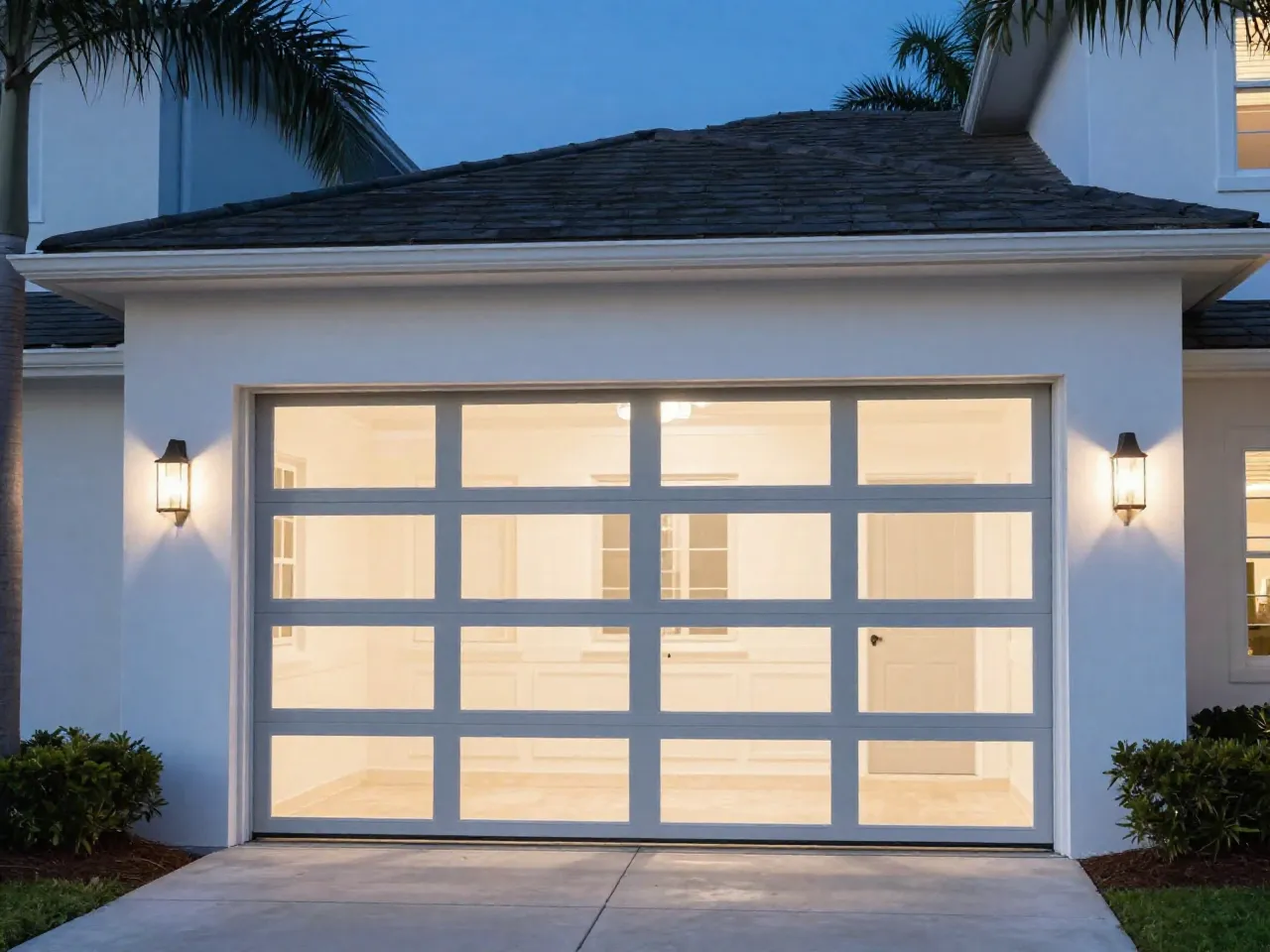
Sometimes the right answer is a new door. If your door was never wind rated, has rusted through, or came out of a storm bent and cracked, repairs may not get it back to a safe state. A new wind rated or impact garage door, installed with matching tracks and hardware, is often the more sensible path.
Signs that a replacement is worth a conversation include panels that are bowed or split, rust that has eaten through the steel, repeated repairs on the same door, and a door with no rating label at all. A technician can look at the door and tell you plainly whether a repair is enough. You can read more about hurricane garage door replacement and what it involves.
Do you need a permit
In Florida, replacing a garage door often needs a building permit, and the new door usually has to meet the wind rules for where your house is. The details depend on your city or county, so check with the local building department before work starts. A 2026 state law also created a permit exemption for some smaller jobs, with conditions. Our guide to garage door permits in Tampa Bay explains the basics, and the garage door repair cost guide covers what tends to affect the price.
When you are ready, you can request garage door service and tell us what the door is doing or what you want checked, and one of our technicians can look at it. You can also read how it works or browse the garage door FAQ and the rest of our garage door guides.
Questions
How do I protect my garage door from a hurricane?
Start by knowing whether your door is wind rated, and have a technician check the springs, cables, rollers and tracks before the season. Clear the space behind the door, replace worn weatherstrip and learn how the manual release works. If your door has a rated brace kit, practice setting it in calm weather. Keep the door closed during the storm.
Should I brace my garage door before a hurricane?
Only if you have a brace kit made and rated for your exact door, installed the way the maker says. Some wind rated doors are rated without a brace, so check the paperwork for yours. Homemade braces from lumber or straps are not a safe substitute and can damage the door. If you are unsure, ask a technician whether a rated kit exists for your model.
What is the difference between a wind rated and an impact garage door?
A wind rated garage door is tested to stay in place under a set wind load. An impact garage door is tested for wind load and also for a strike from flying debris. Both should have a label or paperwork showing the rating. A technician can help you work out which one your house has and which one your area calls for.
Do hurricane garage doors need a permit in Florida?
Often, yes. In many Florida cities and counties, replacing a garage door needs a building permit, and the new door must meet the local wind rules. The exact requirements vary by location, so check with your city or county building department before the work starts. A technician can usually tell you what paperwork comes with the door.
What should I check on my garage door after a storm?
Look for dents, bowed or cracked sections, a crooked fit in the opening, rollers out of the track, loose or frayed cables and gaps in the springs. Check for water near the bottom section and the opener sensors. If anything looks damaged, leave the door closed, keep the opener off and call a technician. Take photos for insurance first.
Can I open my garage door by hand when the power is out?
Yes, as long as the door is fully closed and the springs are intact. Pull the red release handle to disconnect the opener, then lift the door with steady hands. If a spring looks broken or the door feels very heavy, stop and leave it closed. A door with a broken spring can drop suddenly and cause injury.
Is there such a thing as a hurricane proof garage door?
Not really. No door is proof against every storm. What you can get are doors tested and rated for a certain wind load, and some also rated for debris impact. A properly rated door that is installed well and kept in good repair gives your home much better garage door hurricane protection than an older door with no rating.
Does homeowners insurance cover a garage door damaged in a hurricane?
It depends on your policy. Coverage, deductibles and storm rules vary from one insurer to the next, and the cause of the damage matters. Take clear photos of the door before anything is moved or repaired, keep any invoices, and ask your insurance agent how your policy treats garage door damage from a named storm.