
Garage door maintenance for Tampa Bay homes.
Garage door maintenance in Tampa Bay is mostly a habit of looking, listening and keeping things clean before small wear turns into a stuck door. This guide covers the checks you can safely do yourself, the parts that belong to a technician, and how heat, salt air and storm season change the schedule.
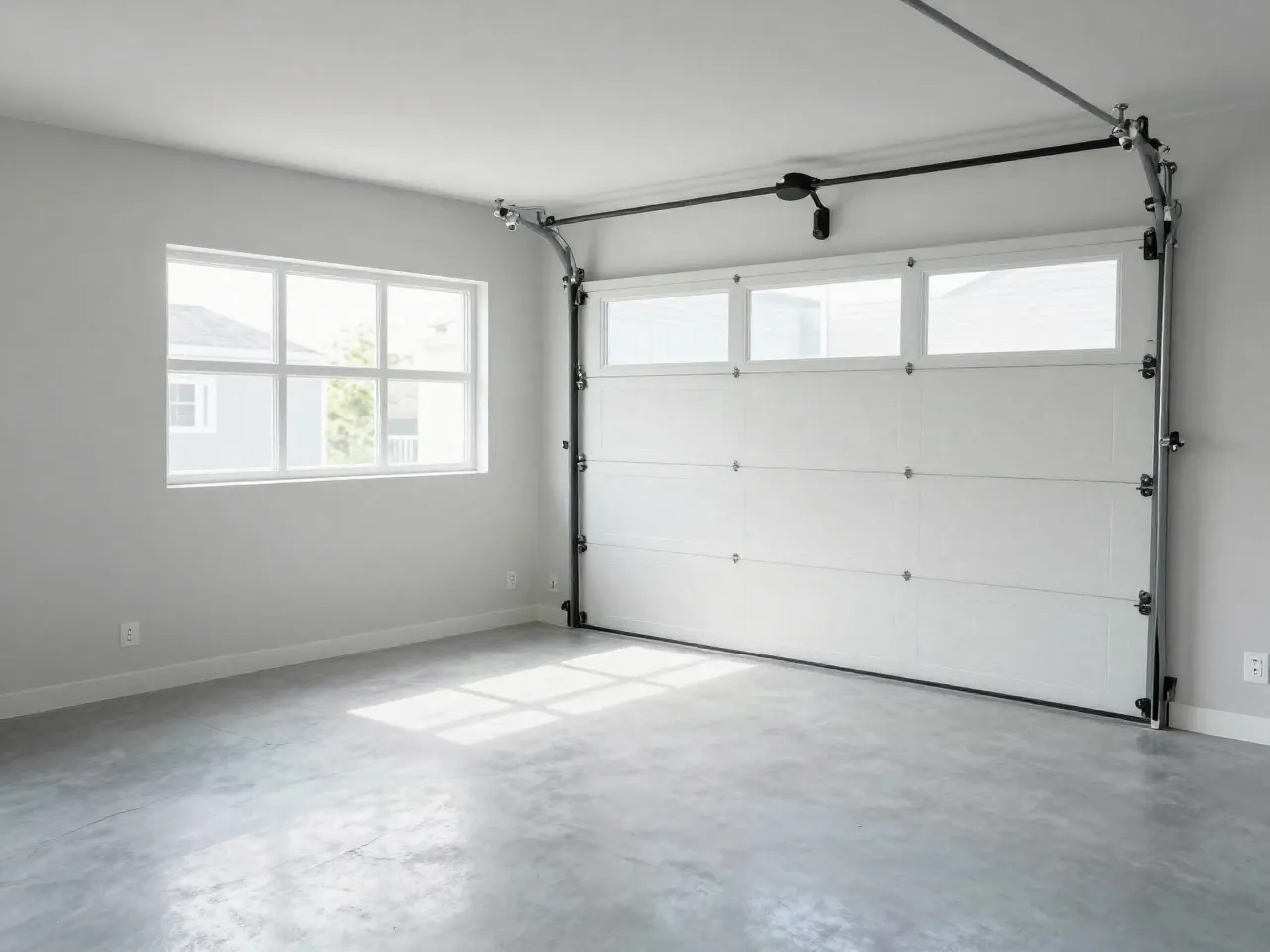
The short answer. Good garage door maintenance in Tampa Bay takes a few minutes a month. Watch and listen as the door runs, keep the photo eye lenses clean, test the safety reverse the way your opener manual describes, rinse off salt and dirt, and check the bottom seal. Leave springs, cables and track adjustments to a technician.
Why garage door maintenance matters more in Florida
A garage door is the largest moving part of most houses. It runs up and down several times a day, carried by springs, cables, rollers and an opener that all wear a little with each trip. In much of the country that wear is slow. In Tampa Bay the climate speeds it up.
Summer heat builds up inside a closed garage, and the opener sits near the ceiling where it is warmest. Plastic parts and lubricants break down faster in that heat. Humidity stays high for months, so moisture settles on metal and into electrical connections. Homes near the bay and the Gulf also get salt in the air, and salt speeds up rust on springs, hinges, roller stems and track bolts. If you live close to the water in St. Petersburg, you will likely see it sooner than a neighbor farther inland.
Then come the afternoon storms. Wind blows sand and leaves under the door, rain soaks the bottom seal, and lightning can send a power surge into the opener. From June through November, hurricane season adds one more reason to keep the door in good working order. A door that binds or sags is harder to secure when a storm is on the way.
Regular garage door maintenance will not stop parts from aging. What it does is help you notice problems while they are still small, keep the safety features working, and give a technician a clear picture when something does need repair.
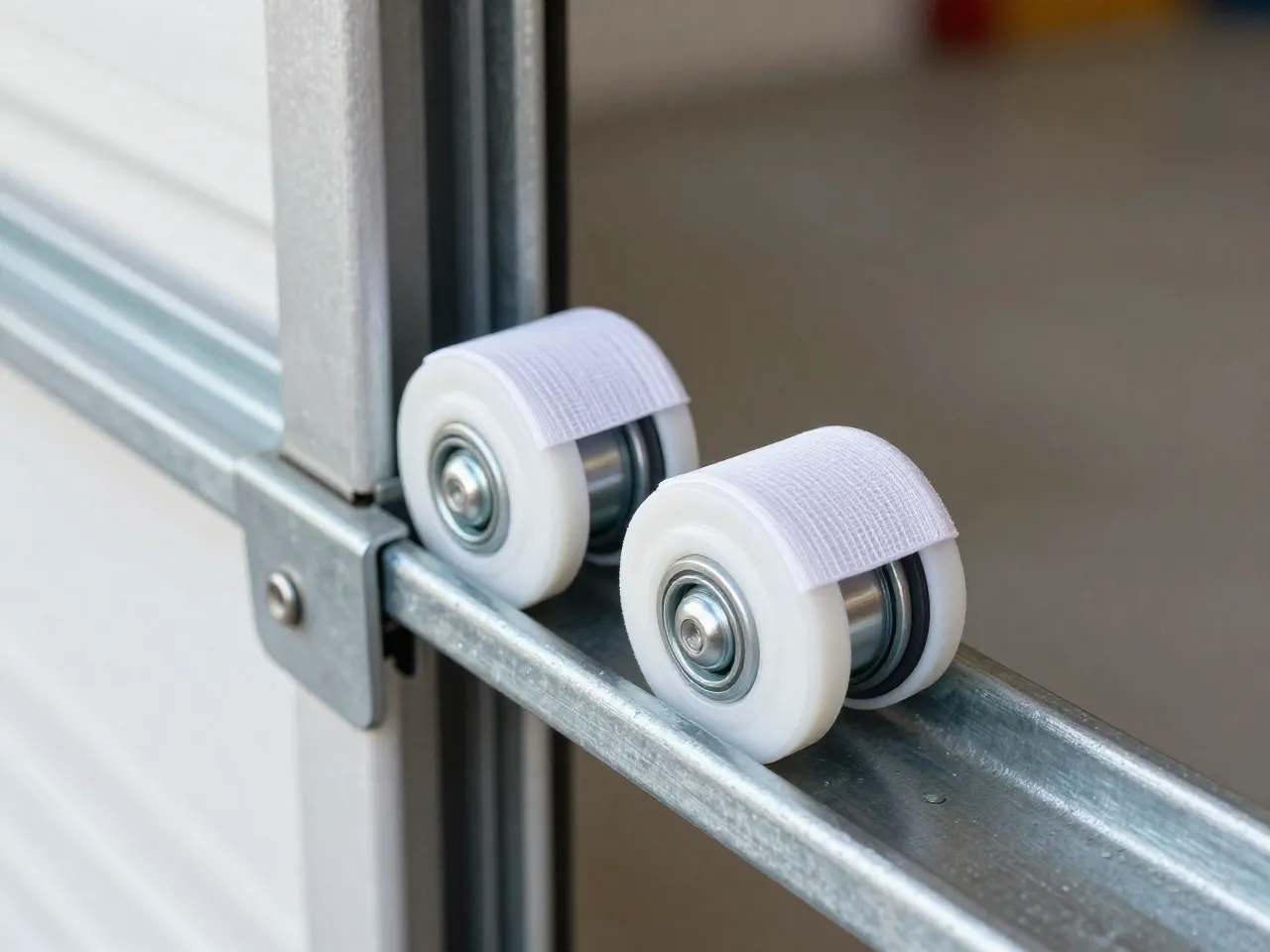
A seasonal garage door maintenance checklist for Tampa Bay
This garage door maintenance checklist is built for homeowners. None of the steps touch parts under tension. Work through it once a month, and do the full list again before hurricane season starts. If you find something wrong along the way, stop there and leave the door closed.
- Step 1Look and listen as the door runs. Stand inside and open and close the door once. It should move smoothly at an even speed, without jerks, scraping or loud bangs. Watch both sides. If one side lags, or the door shakes or makes a new grinding noise, make a note and call a technician.
- Step 2Keep the track floor clear. Sweep sand, leaves and small stones away from the bottom of each track and from the strip of floor where the door lands. Move bins, bikes and tools away from the doorway so nothing blocks the door or the sensors.
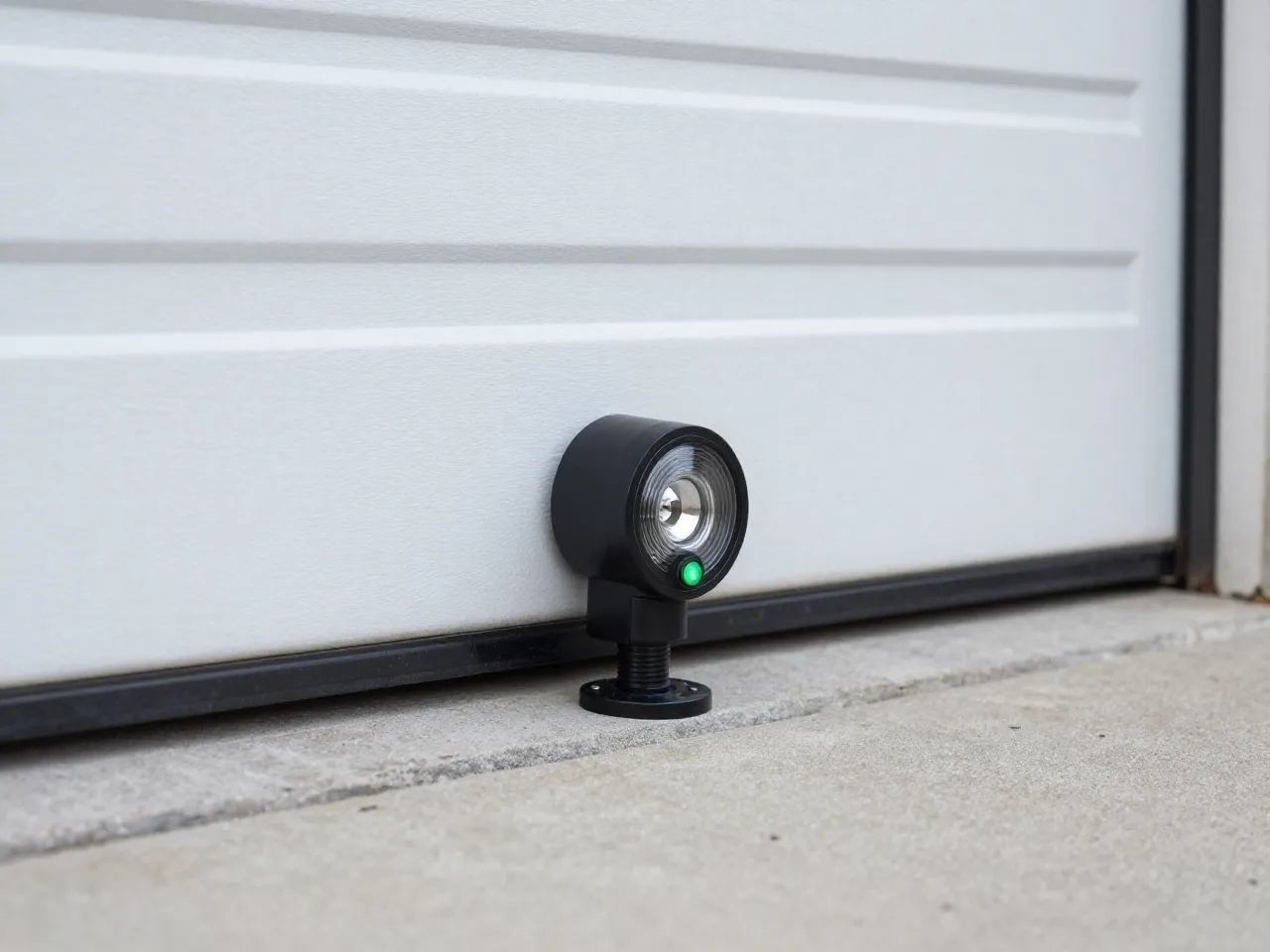
- Step 3Clean and align the photo eyes. These are the two small sensors near the floor on each side of the door, usually no higher than about six inches up. Wipe each lens with a soft dry cloth. Most have a small light that stays steady when the pair is lined up. If a light is off or blinking, gently turn the bracket until it holds steady.
- Step 4Test the photo eye beam. With the door open, block the beam with an object, such as a cardboard box, and try to close the door. The door should not close. If you block the beam while the door is already coming down, it should stop and go back up. Keep your body clear of the door while you test it.
- Step 5Do a safety reverse test. With the door open, place an obstruction on the floor in its path, as your opener manual describes. Many manuals use a piece of wood laid flat. Close the door. It should reverse when it touches the object. If it does not, stop using the opener and call a technician.
- Step 6Replace the remote batteries. A weak battery shows up as a remote that only works up close. Swap in fresh batteries when the range drops, as the remote's manual describes.
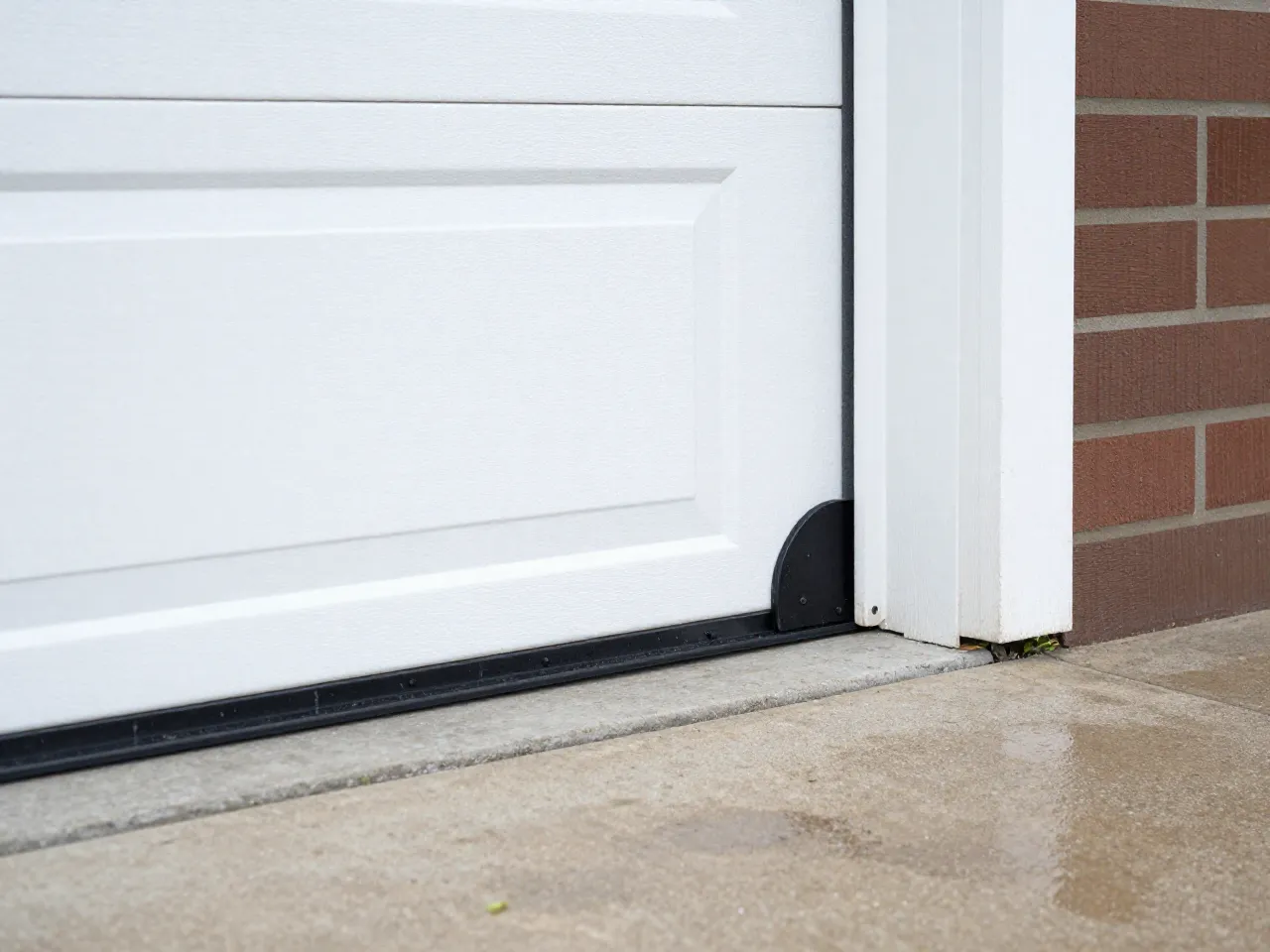
- Step 7Check the weatherstrip and bottom seal. Look along the rubber seal on the bottom of the door and the weatherstrip along the sides and top. Cracks, gaps, flattened spots or pieces pulling loose let in water, sand and bugs.
- Step 8Rinse salt and dirt off the door. A gentle rinse and a mild soap wash keeps salt and grime from sitting on the finish. The next section explains how to clean a garage door without harming it.
- Step 9Lubricate moving parts only as the maker allows. Rollers with metal bearings and hinges usually take a light coat of garage door lubricant. Check the door and opener manuals first, since some parts are meant to run dry.
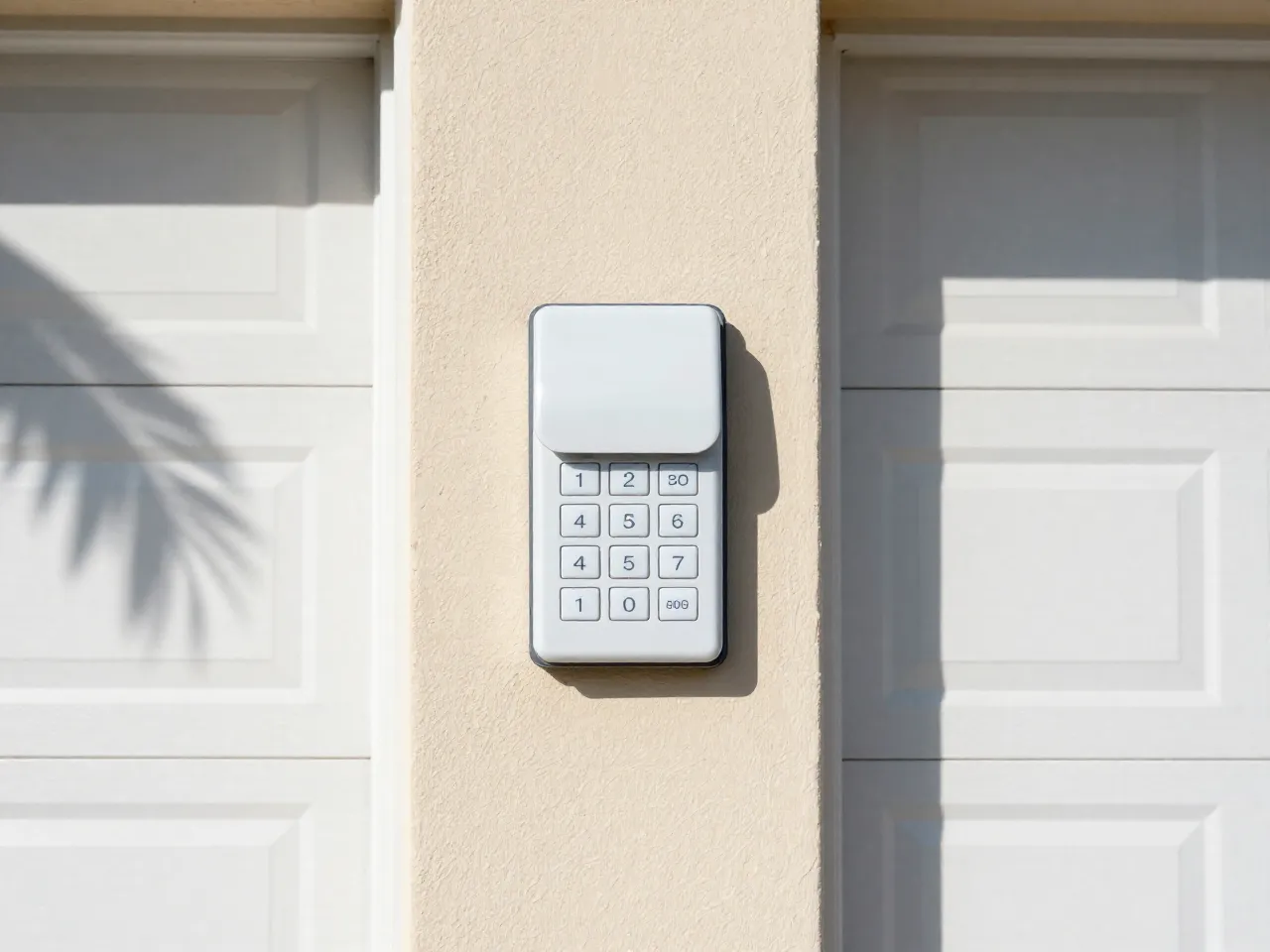
- Step 10Check the lock and the wall button. If your door has a manual lock, make sure it slides freely and is fully open before you run the opener. Press the wall button and confirm the light and the lock or vacation switch work the way the manual says.
How to clean a garage door and lubricate it safely
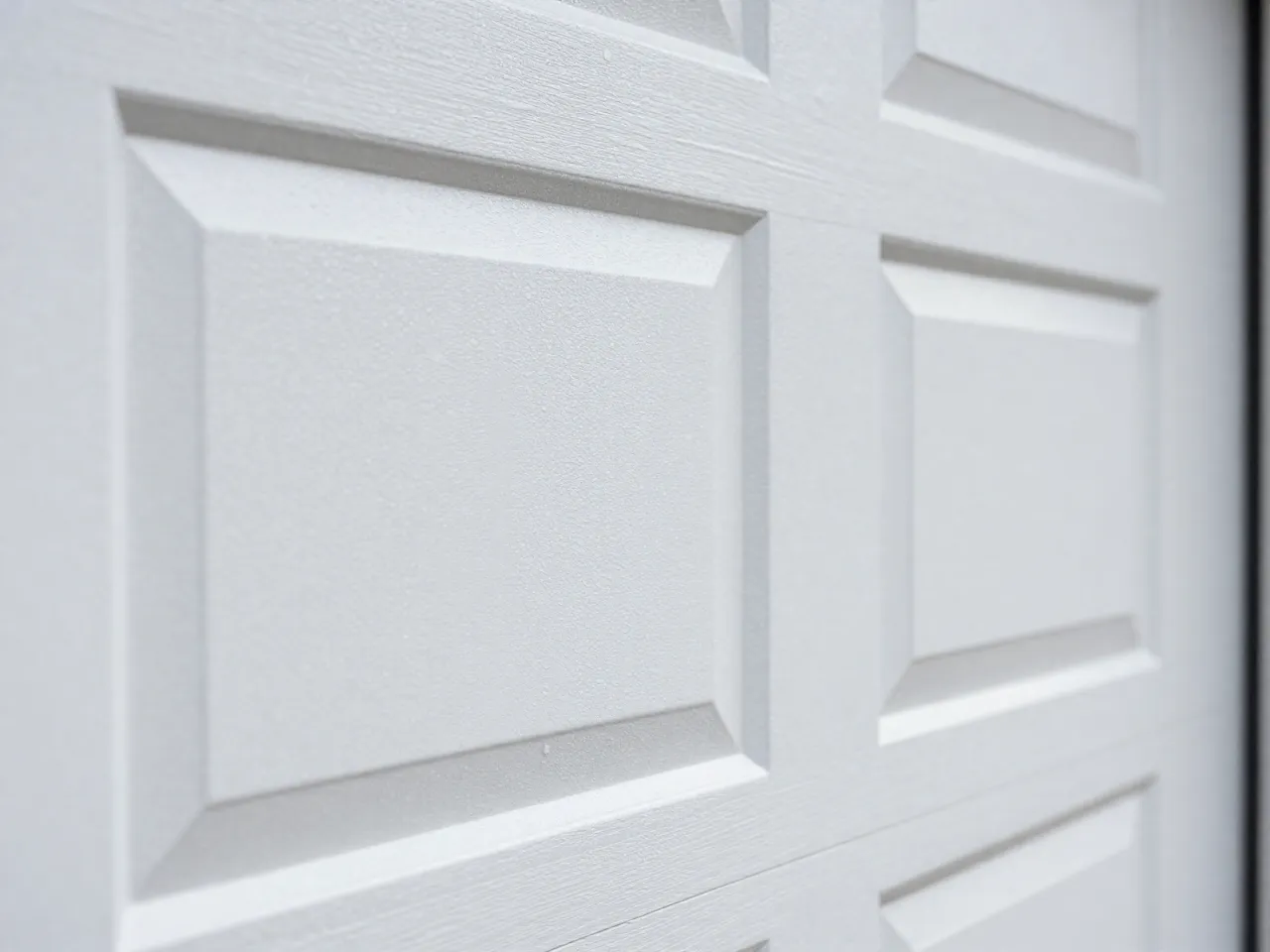
If you want to know how to clean a garage door, keep it simple. Rinse the outside with a garden hose to wash off loose sand and salt. Then wash it with a soft cloth or sponge and a bucket of water mixed with a mild dish soap or car wash soap. Rinse again from the top down and let it dry. Skip the pressure washer, since it can force water behind trim and seals and can strip paint.
Homes near the water in Pinellas County and along Tampa Bay often benefit from a rinse more than once a season. Salt dries into a fine film that holds moisture against the metal. Washing it away is one of the simplest ways to slow rust. If you already see rust spots, our guide to garage door rust in Tampa Bay explains what they mean.
What to use when you lubricate garage door parts
When you lubricate garage door hinges and rollers, use a lubricant sold for garage doors, such as a silicone based spray, and follow what your door and opener manuals suggest. Apply a light coat to the hinge pivots and the bearings in the rollers, then run the door a few times to spread it. Wipe off any extra so it does not collect dust. Heavy grease and general purpose oil tend to gather grit and can make things worse.
Do not spray the inside of the tracks. Rollers are meant to roll along clean, dry track, and grease there catches sand. Nylon rollers without exposed bearings often need nothing at all. For the opener rail and drive, follow the opener manual, since chain, belt and screw drives are not all treated the same way. If a part is not listed in your manual, leave it alone.
Garage door maintenance on the inside
Inside the garage, wipe dust and cobwebs off the sensors, the wall button and the bottom of the tracks. Check that the wires running to the photo eyes are still clipped to the wall and are not pinched or chewed. Keep the area around the opener clear so its vents are not blocked.
What to leave to a technician during a tune up
Some parts of a garage door look simple but are dangerous to touch. A technician has the tools and training to work on them safely. The list below is not something to attempt at home, even with a video to follow.
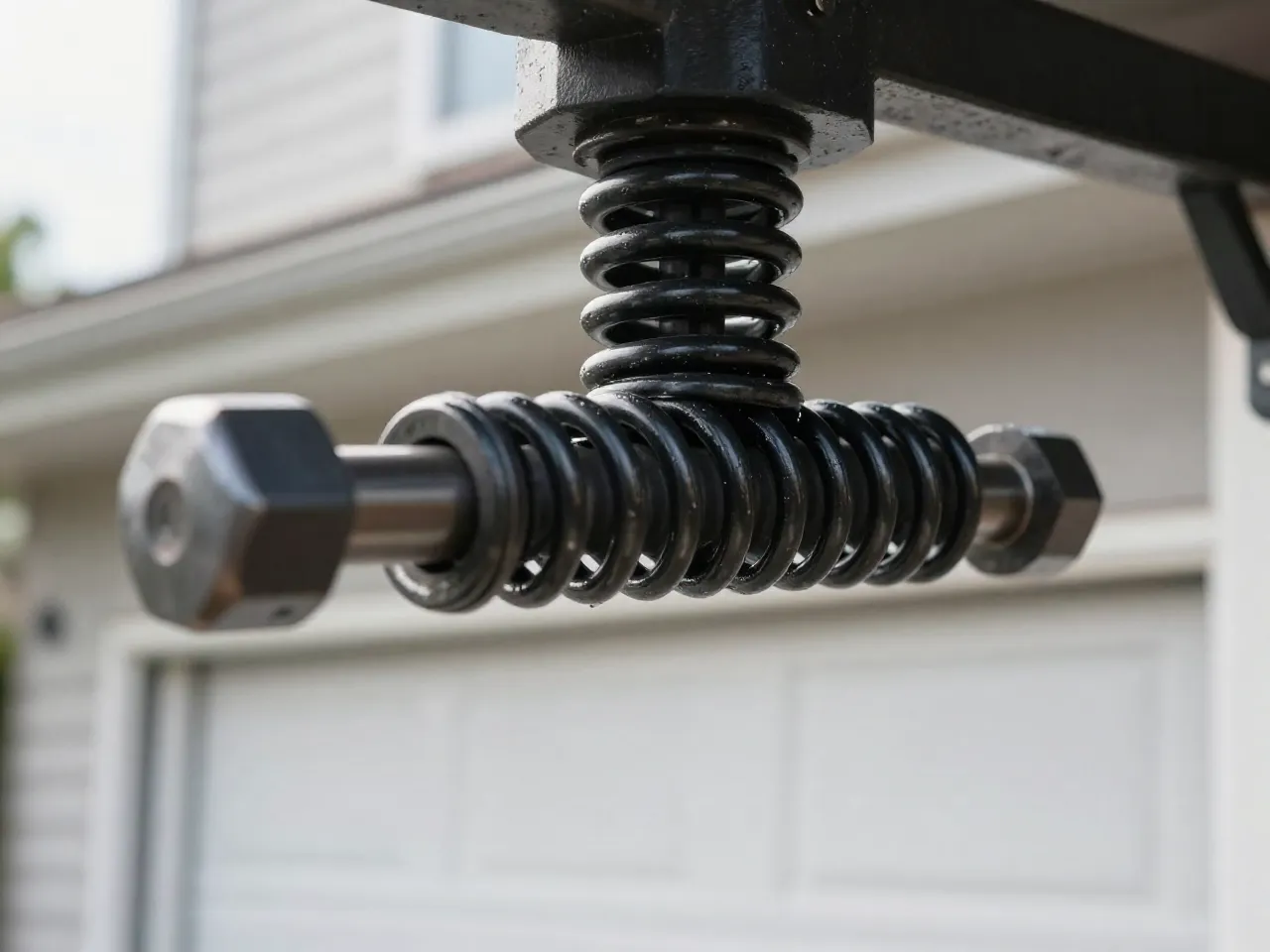
- Springs. Torsion springs sit on a shaft above the door and are wound tight. Extension springs run along the tracks on each side. Both store enough energy to cause serious injury. See broken garage door spring repair if one looks gapped or stretched.
- Cables and drums. The lift cables run from the bottom of the door to drums on the spring shaft. Frayed or slack cables need a technician.
- Bottom brackets. These connect the cable to the door and are under full spring tension.
- Track alignment. Loosening track bolts on a door under tension can let it shift or fall. If a roller has left the track, read about off track garage door repair.
- Balance and spring adjustments. Setting the right spring tension takes special winding bars and a careful test.
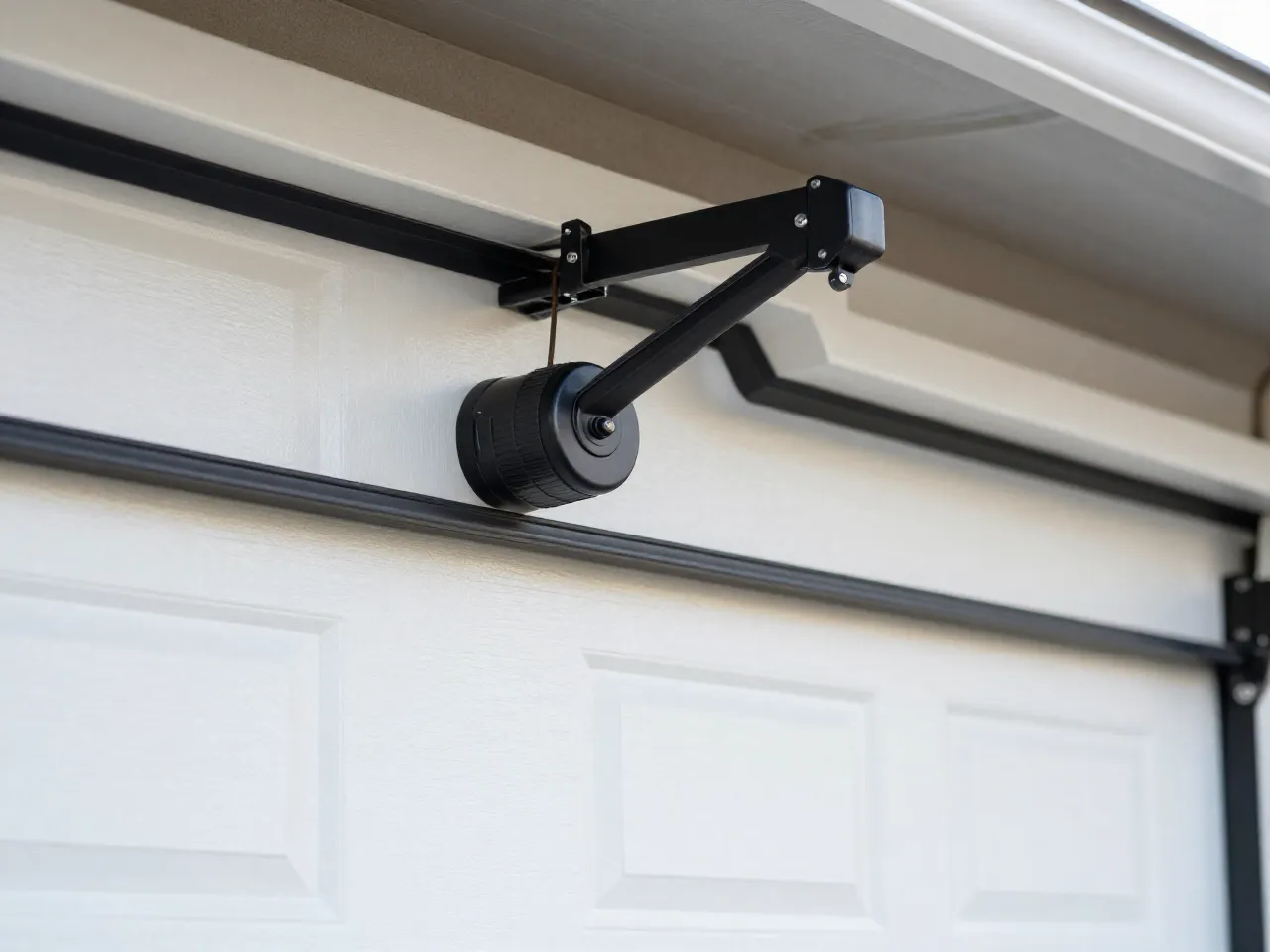
- Opener internals. Drive gears, circuit boards, limit and force settings. Changing force settings affects how the door reacts to an obstruction. See garage door opener repair for common opener faults.
What happens during a tune up
A tune up is meant to cover the parts you cannot safely reach. Ask whether the visit includes a balance check, a look at the springs, cables, drums and brackets for wear and rust, tightening of loose hardware, a check of the rollers and hinges, and a test of the opener settings and safety features. You can also ask which parts are close to the end of their life. Ask what the visit includes and what it will cost before any work starts. For a general idea of what affects pricing, read the garage door repair cost guide.
How often to check your garage door in Tampa Bay
There is no single schedule that fits every door, but a simple rhythm works for most homes. Do the quick homeowner checks each month. Do a fuller round before hurricane season. Then have a technician look at the door. Some opener makers suggest a maintenance check once a year. A door near salt water, a door that runs many times a day, or an older door may need attention more often.
| When | What you check | Who does it |
|---|---|---|
| Monthly | Look and listen as the door runs, test the photo eye beam and the safety reverse, clear the track floor | You, following the opener manual |
| Before hurricane season | Full checklist, rinse and wash the door, check the weatherstrip and bottom seal, practice the manual release with the door closed | You |
| After a big storm | Look for dents, bent track, a torn seal or an opener that lost power or its settings | You first, then a technician if anything looks wrong |
| Once a year | Door balance, springs, cables, drums, brackets, hardware, rollers and opener settings | A technician |
| Any time | Gaps in a spring, frayed cable, a roller out of the track, a door that will not reverse | A technician, and stop using the door |
Signs a tune up is due
- The door is louder than it used to be, with grinding, popping or squealing.
- It moves unevenly, shakes, or one side rises ahead of the other.
- The opener strains, slows down or stops partway.
- The door does not reverse during the safety reverse test.
- You see rust on the springs, cables or bottom brackets.
- Daylight or water comes in under a worn bottom seal.
If any of these show up, there is no need to wait for the yearly visit. You can request garage door service and a technician can take a look.
Garage door maintenance before Florida hurricane season
In a strong storm, the garage door is often the weakest opening on the house. Good maintenance does not make a door stronger than it was built to be, but it helps the door close fully, latch where it should and stay on its tracks. Use the weeks before June to finish your checklist.
- Run the door and confirm it closes all the way to the floor with no gaps.
- Check that the bottom seal meets the floor evenly and replace a torn weatherstrip.
- Learn how to use the manual release before the power goes out. Use it only with the door fully closed and the springs intact.
- Keep the door closed during high winds.
- Write down your opener model number so a technician can find parts after a storm.
Our hurricane garage door guide for Tampa Bay covers wind ratings and bracing in more detail. For general storm planning, the National Hurricane Center preparation guide and Ready.gov hurricane advice explain how to get your home and family ready.
When maintenance turns into a repair or a new door
Maintenance keeps a door working, but parts still wear out. Springs are rated for a limited number of cycles, rollers flatten, cables fray and openers age. When your checks turn up a broken or worn part, the job becomes a repair. A technician can tell you whether a single part will do or whether several pieces are near the end of their life.
Sometimes replacement makes more sense. Panels that are badly rusted through, a door that has been dented by a storm, or an older door that keeps needing repairs may be worth replacing. If you are thinking about it, read about new garage doors in Tampa, and check our guide to garage door permits in Tampa Bay first, since a new door often needs a permit and must meet the Florida Building Code wind rules.
The door industry group DASMA publishes safety information for homeowners, including advice on testing the safety reverse. For other problems, see all garage door repairs in Tampa, or browse the garage door FAQ.
Help across Tampa Bay
SpringRight Garage Doors repairs garage doors at homes in Tampa and the towns around it in Hillsborough, Pasco and Pinellas counties. If anything on this checklist looks wrong, call us and one of our technicians can check it. That includes garage door service in Brandon, Wesley Chapel, Lutz, Riverview and St. Petersburg. Check the full list of garage door repair areas or read how SpringRight Garage Doors works. More homeowner guides are on the garage door blog.
Questions
How often should a garage door be serviced in Florida?
Do quick checks yourself once a month and have a technician look at the door about once a year. In Florida, heat, humidity and salt air wear parts faster, so a door near the water or one that runs many times a day may need a closer look more often. Call sooner if the door gets louder or moves unevenly.
What can I safely do myself?
You can look and listen as the door runs, clear the track floor, clean and align the photo eyes, test the safety reverse as your manual describes, replace remote batteries, wash the door and check the weatherstrip. You can also lubricate hinges and rollers if the maker allows it. Leave springs, cables, drums, bottom brackets, tracks and opener settings to a technician.
What lubricant should I use on a garage door?
Use a lubricant sold for garage doors, and check your door and opener manuals for what they suggest. Apply a light coat to hinge pivots and roller bearings, then wipe off the extra. Avoid heavy grease and general purpose oil, which collect dust and sand. Do not lubricate the inside of the tracks, and follow your opener manual before putting anything on the rail.
How do I test the safety reverse on my opener?
Follow the test in your opener manual. Most describe placing an object, often a piece of wood laid flat, on the floor in the door's path and then closing the door. The door should reverse when it touches the object. If it does not reverse, stop using the opener and have a technician check the force and limit settings and the sensors.
When should a technician do a tune up?
Book a tune up about once a year, or sooner if you notice warning signs. Those include new grinding or popping noises, a door that shakes or rises unevenly, an opener that strains, rust on springs or cables, or a door that fails the safety reverse test. A technician can check the balance and the parts under tension that you should not touch.
How do I clean a garage door near the coast?
Rinse the door with a garden hose, then wash it with a soft cloth and mild soapy water and rinse from the top down. Near the water, a rinse more than once a season helps wash off salt before it holds moisture against the metal. Skip the pressure washer, since it can push water behind seals and strip paint.
Why does my garage door not reverse when it hits something?
The usual causes are a force setting that is too high, a close limit that is set wrong, or sensors that are dirty or out of line. Clean and align the photo eyes first and test again. If the door still does not reverse, stop using the opener, because the safety reverse is there to protect people and pets. A technician should adjust the settings.