
Garage door permit guide for Tampa Bay.
A garage door permit in Tampa Bay is one of those things most homeowners never think about until a new door is on the table. This guide explains, in plain terms, when a permit is generally needed, who usually handles it, and where to check for your own address.
The short answer. In Florida, replacing a whole garage door generally needs a garage door permit, because the new door has to meet wind load rules for your location. Most simple repairs, such as a spring, a cable, rollers or an opener fix, generally do not. A 2026 state law also lets some smaller jobs skip the permit if the building department approves a written request. Rules vary by city and county, so check with your local building department.
When a garage door permit is generally needed in Florida
Here is the short version. If the whole door is coming out and a new one is going in, you should expect a garage door permit. If a part of the door is being repaired or swapped for the same kind of part, you generally should not. The line between the two is not always sharp, though, and the final say belongs to the building department that covers your address.
This page is general information to help you ask good questions. It is not legal advice, and it does not replace what your building department tells you. Permit rules can change, and they can differ from one city or county to the next. Treat everything here as a starting point and confirm the details for your home.
Why a new door is treated differently
A garage door is the largest opening on most houses. In Florida, a replacement door generally has to meet the wind load requirements of the Florida Building Code for the place where the home sits. Wind load is the pressure a door must resist when wind pushes on it from outside and pulls on it from inside. A permit is how the building department checks that the new door, its tracks and the way it is fastened to the house are suited to that pressure.
One recent change is worth knowing. Since July 1, 2026, Florida law lets the owner of a single family home, or the company doing the work for them, ask the local building department to exempt work valued under 7,500 dollars from a permit. The exemption does not cover structural, electrical, plumbing, mechanical or gas work, and it does not apply if any part of the property is in a flood hazard area. The request has to be made in writing, with the contract or other proof of the work and its value, before the job starts. Unincorporated Pinellas County lists overhead garage doors among the work that may qualify. Other departments may treat a door replacement differently. Pinellas County also says it does not inspect exempt work, and owners and the people doing the work stay responsible for meeting the code. Ask your building department whether your job qualifies before you count on it.
If you are still deciding between fixing your old door and buying a new one, our guide to new garage doors in Tampa Bay walks through how to weigh the choice. A replacement is a bigger project than a repair, and the permit is one part of that.
Repairs that generally do not need a permit
Most everyday repairs keep the existing door in place. The technician is replacing worn parts, adjusting the door or fixing the motor that lifts it. The Florida Building Code lets ordinary minor repairs and replacement parts go ahead without a permit when the building official approves, so these jobs generally do not need one. The building department decides where a given job falls. Common examples include the following.
- Garage door spring repair when a torsion or extension spring breaks
- Garage door cable repair for a frayed or snapped lift cable
- Replacing worn rollers or hinges with matching parts
- Garage door opener repair for a motor, sensor or remote that stopped working
- Putting an off track garage door back on its tracks
Even so, some local rules treat certain work as more than a simple repair. Replacing several damaged sections, changing the tracks or reinforcing the door can fall into a gray area. If the job sounds like more than a part swap, ask the technician whether it needs a permit, and check with your building department if you are unsure.
Who usually pulls the garage door permit
In many cases the installer applies for the permit as part of the job. Building departments generally expect the person or company doing permitted work to hold the license that work calls for, and the permit is often tied to them. That is one reason homeowners rarely file a garage door permit on their own for a replacement.
Florida law also lets an owner act as their own builder on a home they live in or use, as long as it is not offered for sale or lease. The owner has to appear in person, sign the permit application and a disclosure statement, and supervise the work on site. A sale or lease within a year of finishing can raise questions about that. The owner then carries the responsibility for the work and the inspections. Before you go that way, read what your building department says about owner permits, because the rules and the risks are not the same everywhere.
Questions to ask the installer
- Will you apply for the permit, or do I need to
- Which building department covers my address
- What product approval does the new door have
- Will there be a final inspection, and what happens if it fails
- Will I get a copy of the permit and the inspection result
If you want to know what happens after you call SpringRight Garage Doors about a repair or a new door, see how it works. For a sense of what goes into the cost of a repair or a new door, our garage door repair cost guide covers the factors without guessing at numbers for your home.
Product approval and the Florida Building Code
Product approval is the paperwork that shows a door model has been tested and accepted for use in Florida. Manufacturers can list their approved models with the state, and each approval describes the wind pressure the door can handle and how it must be installed. Florida law also accepts certain other routes, such as an evaluation by the Miami-Dade County product control office. A building department will often want to see the product approval for the exact door going on your house.
You can look up product approvals through the Florida Building Commission. The site is built for professionals, so it can feel dense. The installer should be able to give you the approval details for the door they recommend, and you can check them yourself if you like.
Wind load in plain terms
Every home has a design wind pressure that depends on where it is and how exposed it is. A house near open water on the bay or the Gulf may face a higher design pressure than one tucked between other homes inland. The new door generally has to be rated for at least the pressure required at your address. That is why a door that suits one neighbor may not suit another.
Some areas also call for impact protection, which means the door is tested against flying debris as well as wind pressure. Whether that applies to your home depends on local rules, so ask the installer and your building department. Our hurricane garage door guide for Tampa Bay explains the difference between wind rated and impact rated doors in more detail.
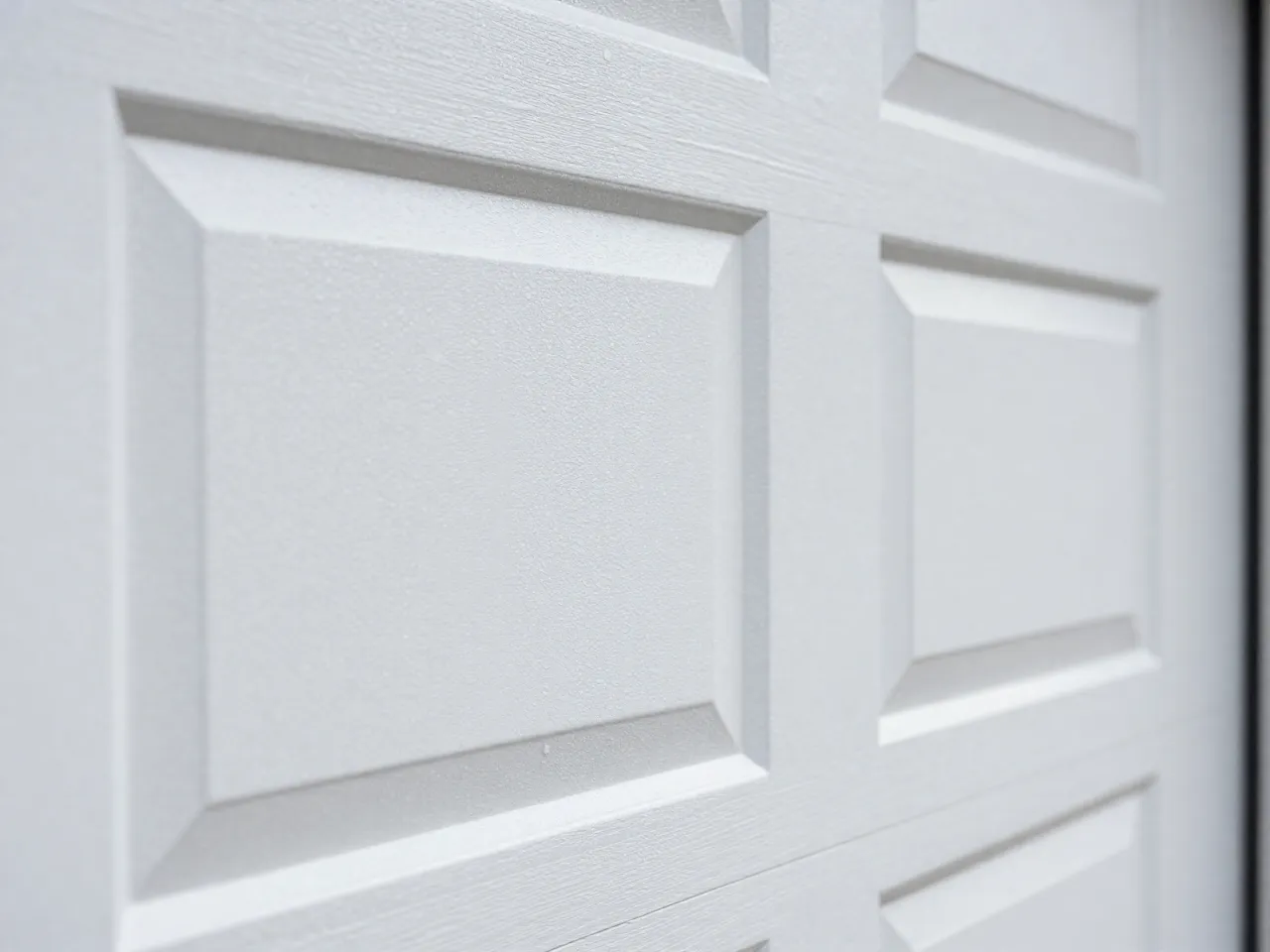
Look on the inside of a newer door for a label. Where it sits varies by maker. It may list the manufacturer, the model and the design pressure. Not every door has one, and labels can fade or peel in Florida heat.
If your door has no label and no paperwork, it may predate current rules or the label may simply be gone. A technician can often tell you more by looking at the door, the struts and the track mounting. If you are planning a replacement, the new door's approval becomes part of the permit file.
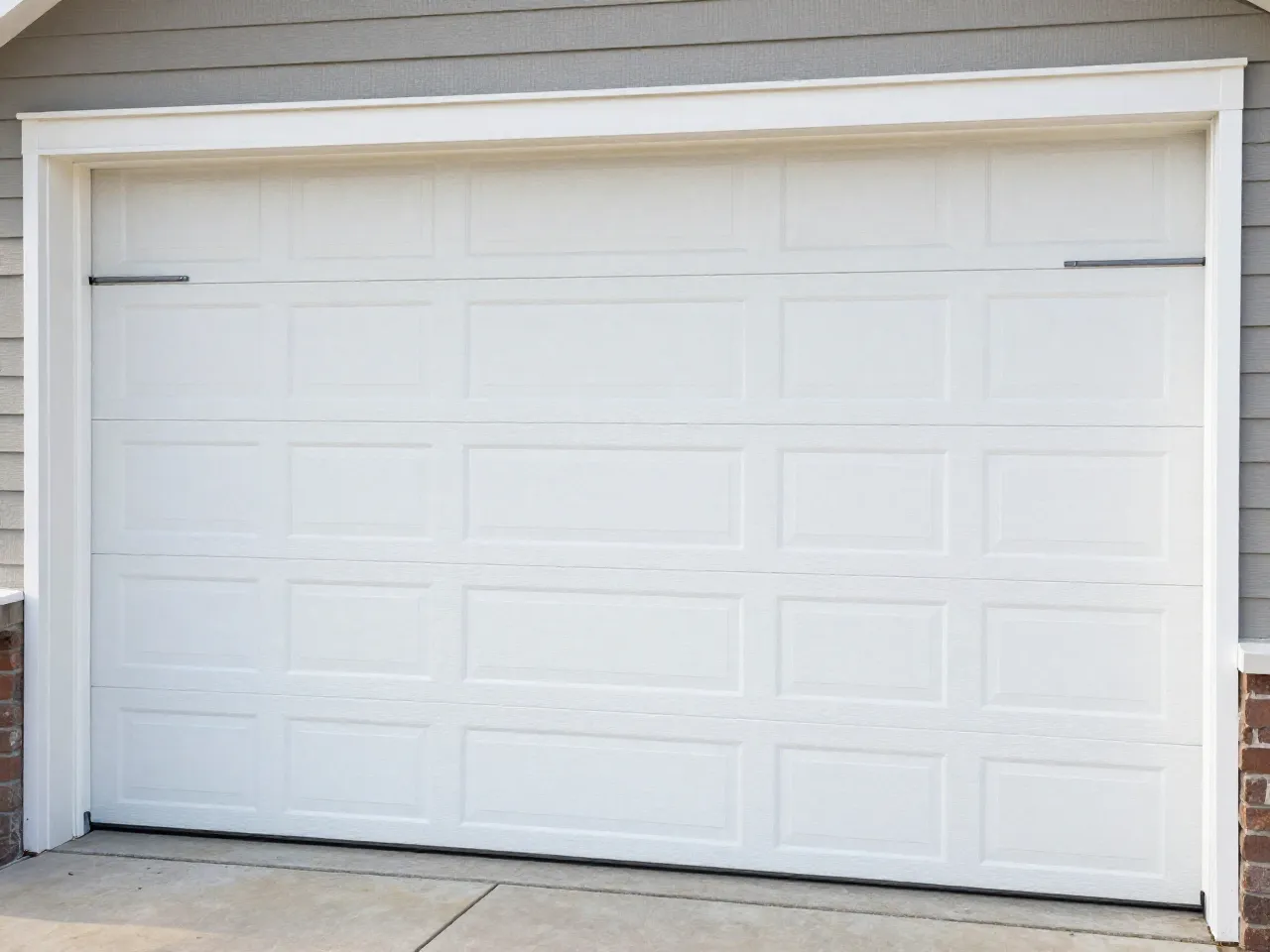
Which building department handles your permit in Tampa Bay
This is the part that trips people up. Your mailing address may say Tampa, but your home may sit outside the city limits. Permits are generally handled by the city if you live inside an incorporated city, and by the county if you live in an unincorporated area. Many places that people think of as towns are actually unincorporated county land.
Brandon, Riverview and Lutz are generally unincorporated parts of Hillsborough County, so a garage door permit there usually goes through the county. Some homes with a Lutz mailing address sit across the line in Pasco County, so check which county your home is in. Tampa is an incorporated city with its own building department. St. Petersburg is a city in Pinellas County with its own department, and unincorporated Pinellas has the county. Wesley Chapel is in Pasco County. The table below gives the general picture.
| Where you live | Who generally handles building permits | Nearby area guides |
|---|---|---|
| Unincorporated Hillsborough County | Hillsborough County building department. A Hillsborough County permit covers places like Brandon, Riverview and Lutz. | Brandon, Riverview, Lutz |
| City of Tampa | The City of Tampa building department for addresses inside the city limits. | Garage door repair in Tampa |
| City of St. Petersburg | The City of St. Petersburg building department for addresses inside the city. | St. Petersburg |
| Unincorporated Pinellas County | A Pinellas County permit for homes outside the cities in Pinellas. | Service areas |
| Pasco County | The Pasco County building department for unincorporated areas such as Wesley Chapel. | Wesley Chapel |
Other cities in the region, such as Temple Terrace, Plant City, Clearwater or Largo, generally run their own building departments. If your home is inside one of them, that city is usually who to ask. If you are not sure whether your home is inside a city, the building department can confirm it for your address.
Where to start
For Hillsborough County, the county site at hcfl.gov is a good place to begin. For the City of Tampa, the City of Tampa construction services pages cover building permits inside the city. For Pinellas County and Pasco County, start with the county government site and look for the building or permitting section.
Why a garage door permit matters for Tampa Bay homes
A permit can feel like red tape, but it does real work for you. It means someone outside the job checked that the door suits your home and was put in the way the product approval says. In a region that sees hurricane season every year, that check is worth having.
Safety in a storm
A door that fails in high wind can let pressure build inside the house. That can put the roof and the rest of the structure at risk. A permitted, approved door that is fastened properly gives the opening a better chance of holding. Our garage door maintenance guide covers the simple checks that help any door stay in good shape between storms.
Insurance
Some insurers ask about the garage door when they look at wind protection on a home. Florida's wind mitigation inspection form includes garage doors, and paperwork such as the permit, the product approval or the label on the door can help show what kind of door you have. Ask your insurance agent what they want to see, since each company sets its own requirements.
Selling your home
When you sell, a buyer's inspector or the buyer's agent may look for open or missing permits. Work done without a needed permit can slow a sale or lead to questions you would rather not answer at closing. Keeping a copy of the garage door permit and the final inspection with your house records makes that conversation easier.
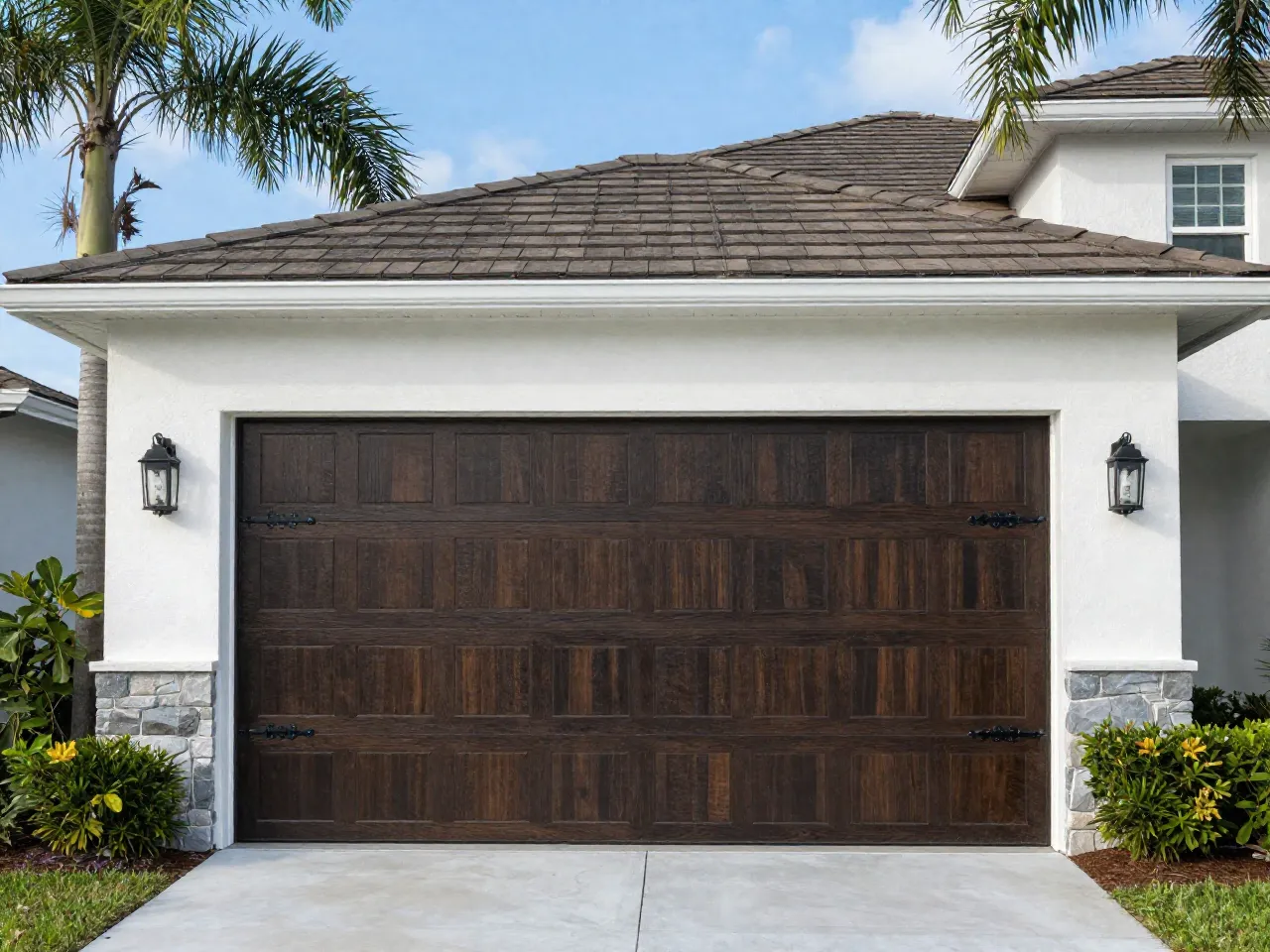
HOA approval is a separate step
Many neighborhoods across Tampa Bay have a homeowners association with rules about how the outside of a home looks. A new garage door often counts as an exterior change. The HOA may care about the color, the panel style, the windows or the hardware.
HOA approval and a building permit are two different things. The permit comes from the city or county and is about safety and the building code. The HOA approval comes from your association and is about appearance and community rules. You may need both, and one does not stand in for the other.
If you live in a newer community in places like Wesley Chapel or Riverview, check your HOA rules early. Ask the association what they need to see, such as a photo or a brochure for the new door, before you order it. That way the door that meets the code also meets the look your neighborhood expects.
How to check a past garage door permit
If you bought a home and want to know whether the garage door was permitted, the building department is the place to ask. Many departments let you search past permits online by address. Others will look it up if you call or visit. The search tools and records vary, and older records may not be online at all.
When you search, look for a permit that mentions the garage door, an overhead door or an exterior door. Check whether it shows a final inspection or a closed status. An open permit with no final inspection is worth asking about.
- Step 1Confirm whether your address is inside a city or in an unincorporated county area
- Step 2Find the building department for that city or county
- Step 3Search its permit records by your address, or ask the staff to look
- Step 4Note any garage door permit and whether it was closed out
- Step 5Ask the building department what to do if something looks open or missing
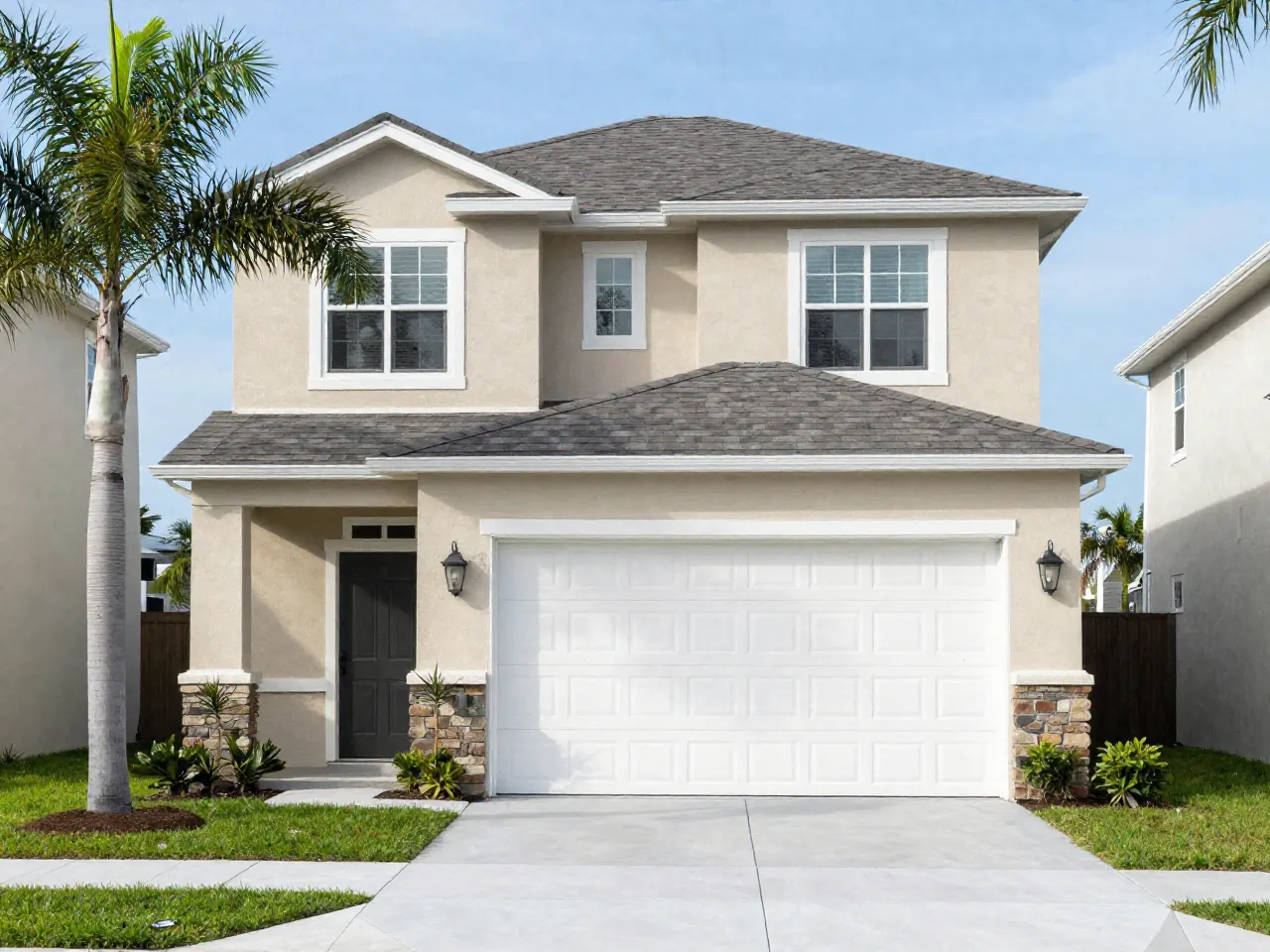
If the door on your home looks older than the house records suggest, or you cannot find a permit at all, that does not always mean something is wrong. Records can be incomplete, and some work may not have needed a permit at the time.
If you have questions about the condition of the door itself, call us and one of our technicians can look at it and tell you whether it needs repair or replacement. You can also request garage door service online, or browse common garage door repairs first.
For more on keeping a door in good shape near the coast, see our guide to garage door rust in Tampa Bay. You can also find more answers in our garage door FAQ or browse every garage door guide on the blog.
Questions
Do I need a permit to replace a garage door in Florida?
Generally yes. Replacing a whole garage door in Florida usually needs a permit, because the new door has to meet the wind load rules of the Florida Building Code for your location. The exact rules depend on your city or county, so check with the building department that covers your address before the work starts. Since July 1, 2026, some jobs under 7,500 dollars can be exempt if the department approves a written request.
Who pulls the garage door permit?
In many cases the installer pulls the garage door permit as part of the job. Florida generally ties permitted work to a properly licensed person or company. Florida law also lets an owner pull a permit as their own builder for a home they live in, with conditions. Ask the installer who will apply before you agree to the work.
Do garage door repairs need a permit?
Most simple repairs generally do not. Replacing a spring, a cable, rollers or fixing an opener usually keeps the existing door in place, so a permit is often not required. Larger work, such as replacing several sections or the tracks, can be different. If you are unsure, ask the technician and check with your building department.
What happens if a garage door was installed without a permit?
It depends on local rules. The building department may ask for a permit after the fact, an inspection, or changes to the door so it meets the code. Unpermitted work can also come up when you sell the home or talk to your insurer. Ask the building department how they handle it for your address.
How long does a garage door permit take?
It varies. The time depends on the building department, how busy it is, and whether the application and product approval are complete. Whoever applies for the permit can usually tell you what to expect in your area. Ask about the permit and any inspection when you plan the job.
Is Brandon handled by the City of Tampa or Hillsborough County?
Brandon is generally an unincorporated part of Hillsborough County, so a building permit there usually goes through the county rather than the City of Tampa. The same is generally true for Riverview and Lutz. Your mailing address can be misleading, so confirm with the county if you are unsure.
Do I need HOA approval for a new garage door?
You may. HOA approval is a separate step from the building permit. The permit comes from your city or county and covers safety and the building code. The HOA covers how the outside of your home looks. Check your association rules before you order a new door so it meets both.