
Garage door opener repair in Tampa Bay.
Garage door opener repair in Tampa starts with finding out why the motor hums, clicks or does nothing at all. Call SpringRight Garage Doors and one of our technicians comes out to test the opener, the sensors and the door itself, and tell you plainly what is wrong.
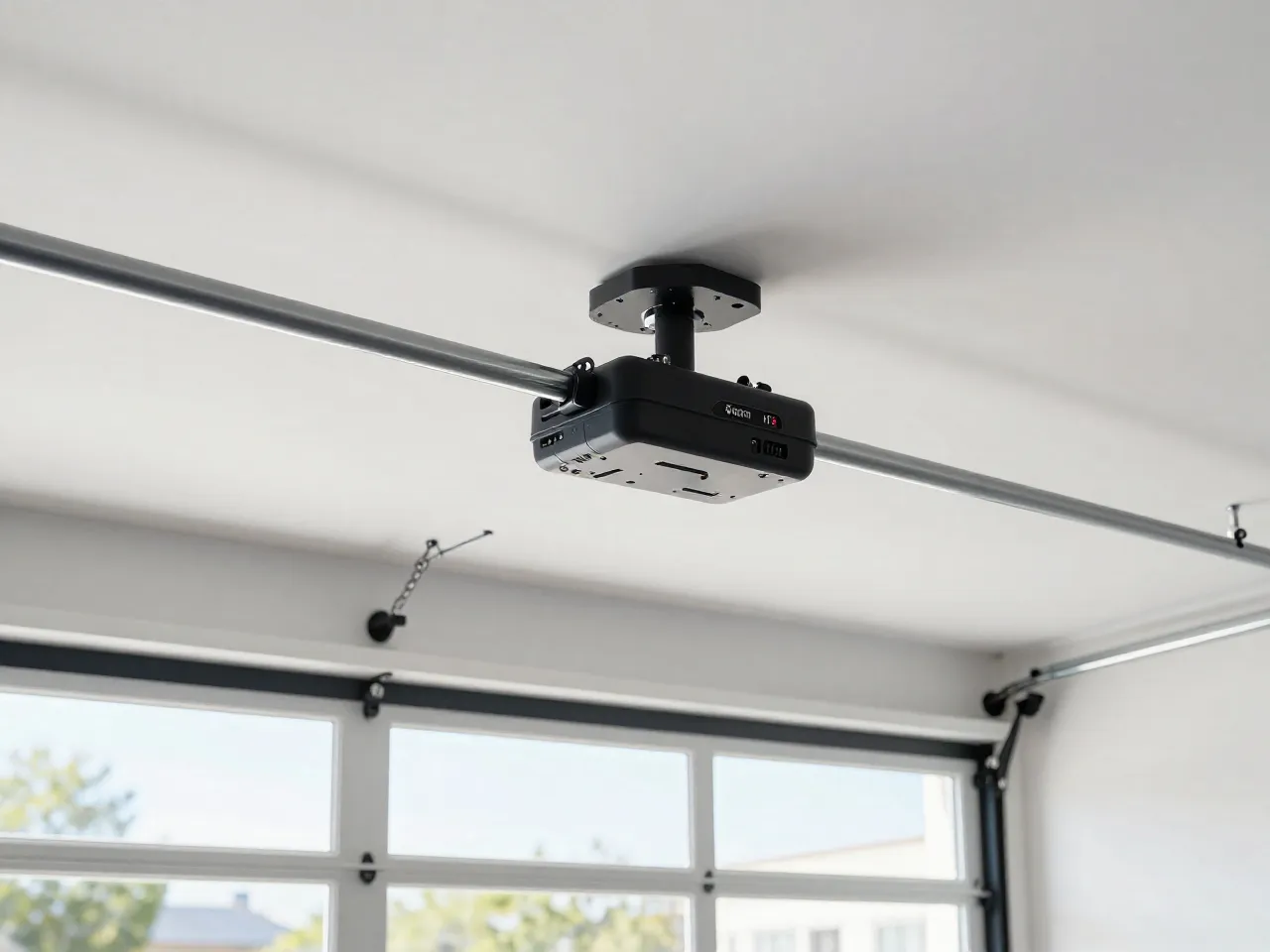
The short answer. Most garage door opener repair calls in Tampa come down to a few things. Dead remote batteries, a blocked or misaligned safety sensor, a tripped breaker, a worn drive gear or a circuit board hurt by heat or a power surge. Try the safe checks below first. If the opener still fails, call us and our technician can test it properly.
Signs your opener needs a closer look
- 01
The motor hums but the door stays put
You hear the motor run, yet nothing moves. That often points to a stripped drive gear, a broken spring the opener cannot lift, or a door that is still locked.
- 02
The door reverses before it reaches the floor
Your garage door won't close and pops back up a few inches from the bottom. The safety sensors, the close limit or the force setting is usually to blame.
- 03
The remote works only up close
If you have to stand right under the door, the remote battery may be weak, or the antenna on the motor unit may be bent or blocked.
- 04
Grinding, clicking or a burning smell
New noises from the motor head mean parts are wearing. A burning smell means you should unplug the opener and stop using it until it is checked.
- 05
The light flashes and the door won't move
Many openers flash the light when the photo eyes are blocked or out of line. Others flash to show an error code that the manual explains.
Never force a door with a broken spring.
If the opener strains and the door barely lifts, look at the spring above the door before you do anything else. A gap in the coil means the spring has broken. Do not pull the release and try to lift the door by hand. Without a working spring the door is very heavy and can drop fast. Leave it closed and call for broken garage door spring repair instead.
Why a garage door opener stops working in Tampa homes
An opener is a motor, a drive and a small computer working together. The motor turns a gear. The gear moves a chain, a belt or a screw along a rail. A trolley on that rail pulls the door up and lets it down. The circuit board listens for the remote and the wall button, watches the safety sensors and decides when to stop. When any one of those pieces fails, the whole thing looks dead.
In Tampa the most common causes are simple. Remote batteries run down. Someone bumps a photo eye with a bike or a storage bin. A summer storm trips a breaker or knocks out the outlet the opener plugs into. Those are the easy ones, and you can often fix them yourself in a few minutes.
The harder causes take a technician. Many chain drive openers use a plastic drive gear inside the motor head, and that gear wears down over years of use. Once the teeth strip, the motor runs but the door never moves. Circuit boards can fail after a power surge. Limit and force settings drift, so the door stops short or reverses for no clear reason. Garage door opener repair for these problems means opening the motor unit, testing parts and setting it up again so the safety reverse still works.
Is it the opener or the door?
A lot of calls about a garage door opener not working turn out to be door problems. An opener is built to guide a balanced door, not to lift dead weight. If a spring breaks, a cable frays or a roller jumps the track, the opener will strain, stall or reverse. Fixing the opener alone will not help. Our technicians check the door balance first for that reason, and may point you toward garage door cable repair or off track garage door repair if that is where the trouble starts.
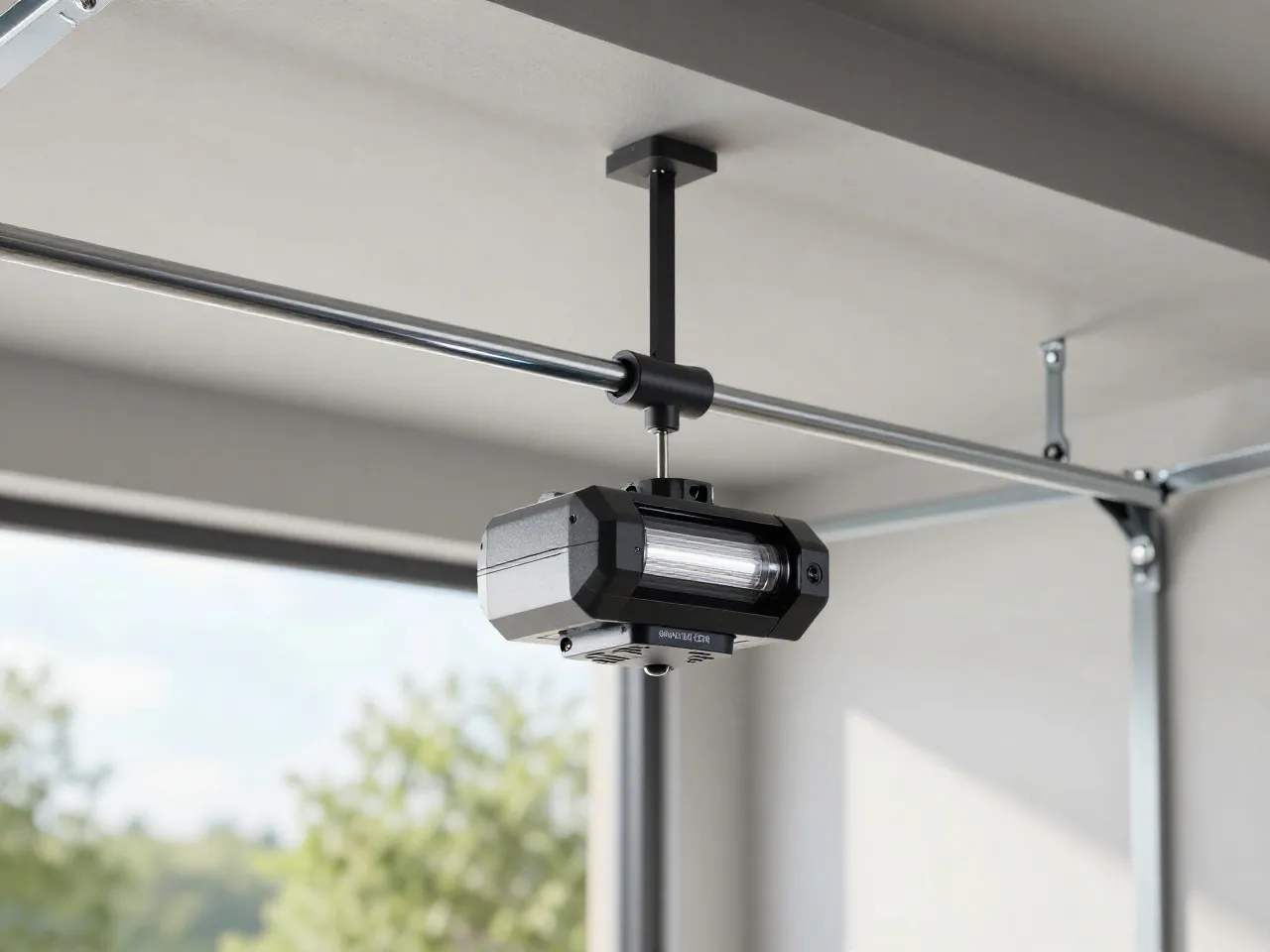
Garage door opener not working? Start with these checks.
Before you book garage door opener repair, work through the checks below. None of them touch the springs, cables or anything else under tension. Stop at any step where something looks broken, and leave the door where it is.
- Step 1Try the wall button. If the door runs from the wall but not from the remote, the opener is fine and the remote is the problem. Replace the remote battery and try again.
- Step 2Check the lock or vacation switch. Many wall controls have a lock button that turns off every remote. It is easy to press by accident while reaching for the light. The manual shows how your model indicates it is on.
- Step 3Check the power. Look at the motor unit for a light. If it is dark, make sure the cord is plugged in, then test the outlet with a lamp and check the breaker panel. Garage outlets are often on a GFCI that trips after storms.
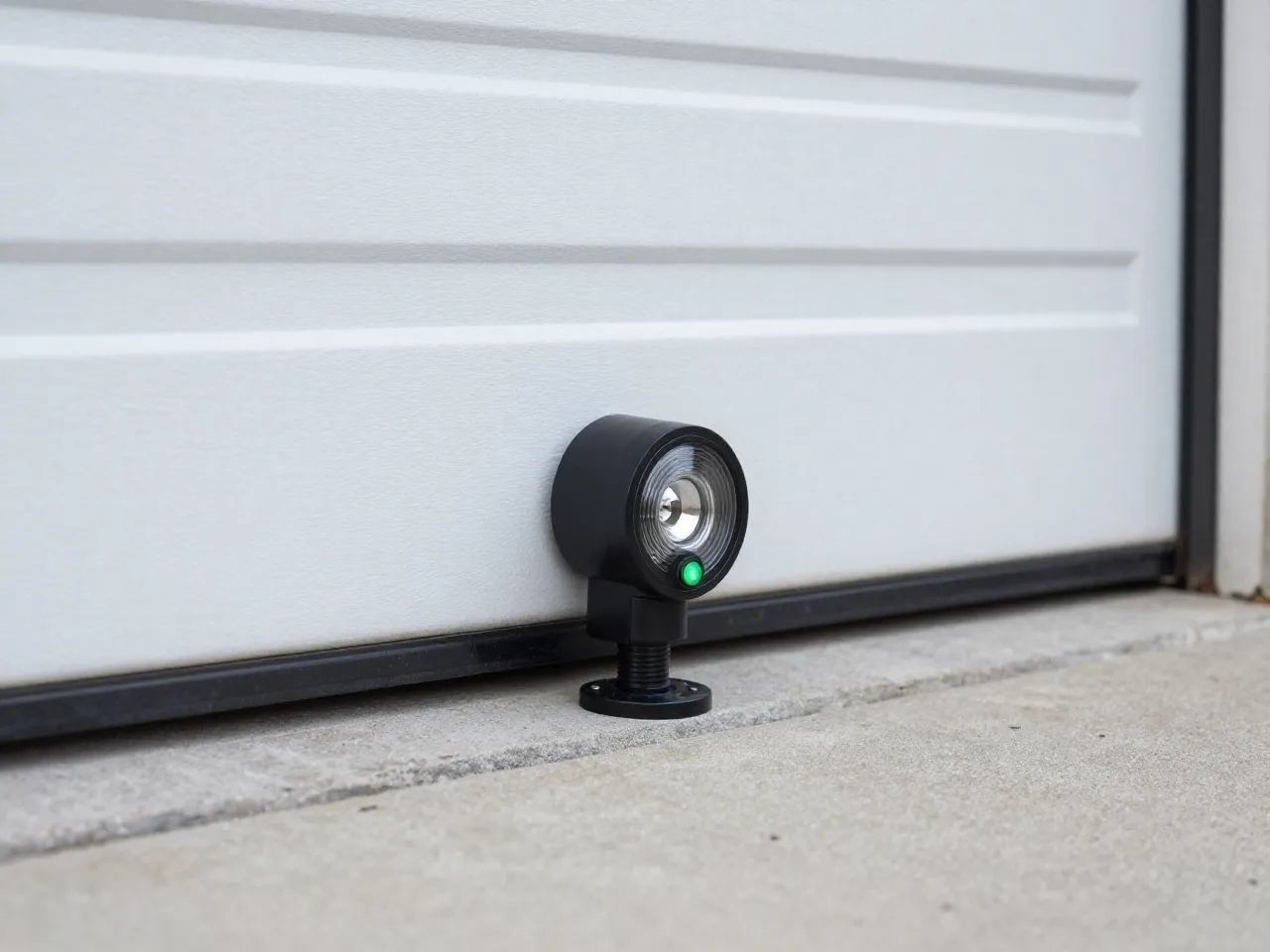
- Step 4Look at the photo eyes. These are the two small sensors near the floor on each side of the door. Wipe the lenses with a soft dry cloth. Each one usually has a small indicator light, and a dark or blinking light often means the pair is out of line. Gently turn the bracket until both lights stay steady.
- Step 5Clear the path. Move bins, tools, leaves and anything else from under the door and from in front of the sensors. Sweep dirt and debris away from the bottom of the tracks at floor level.
- Step 6Reset or reprogram as the manual describes. Unplugging the opener for a minute and plugging it back in clears some faults. If a remote has lost its code, most openers have a learn button on the motor unit. The steps differ by brand and model, so follow the manual for yours.
If you work through every step and the opener still will not run, or it runs and the door still will not move, it is time for a technician. Call SpringRight Garage Doors and we will talk it through with you, then send one of our technicians out to your home.
Garage door won't close and the sensor problem behind it
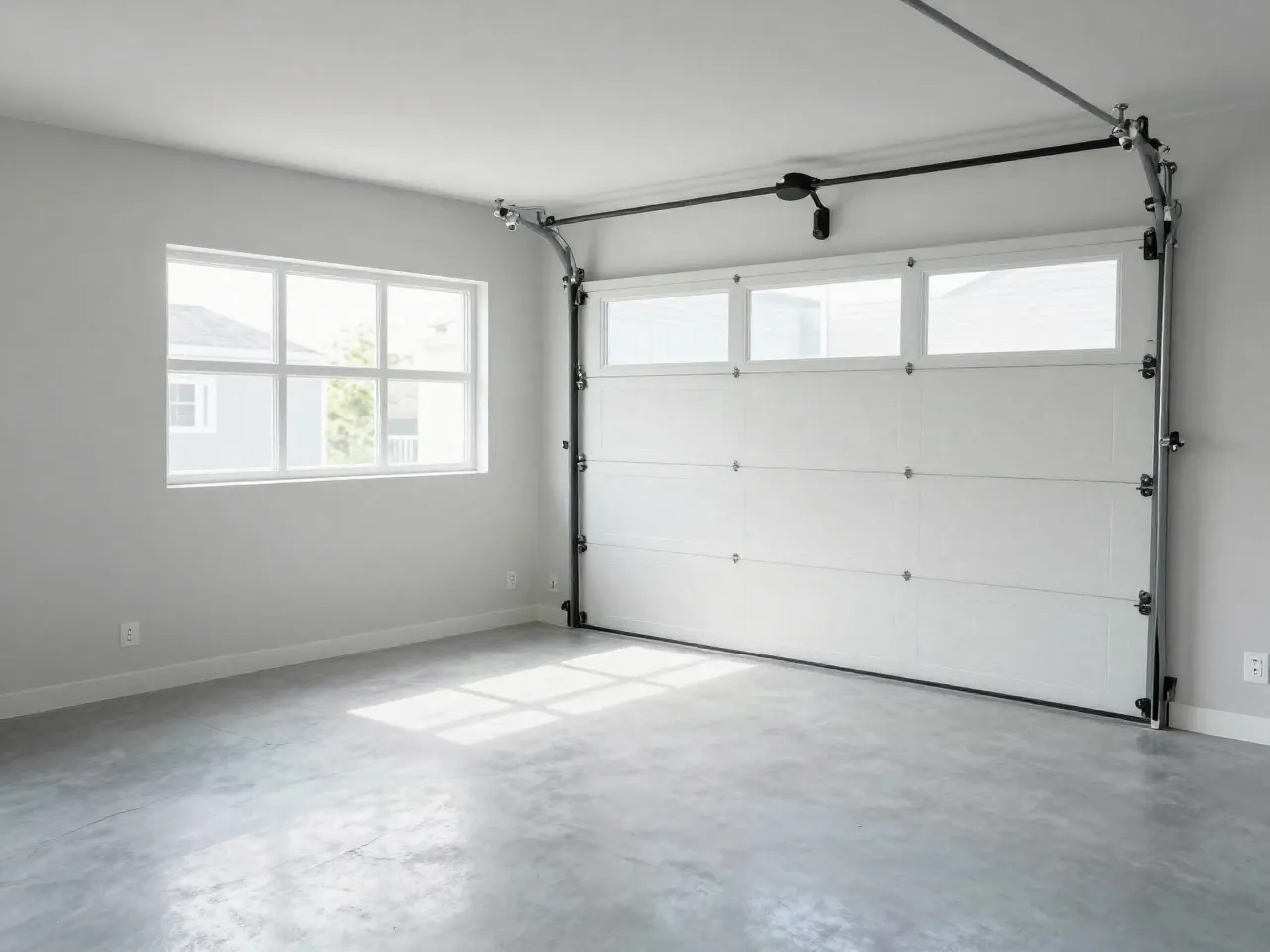
When a garage door won't close, the safety sensors are the first thing to check. Modern openers use a pair of photo eyes that send an invisible beam across the doorway. If anything breaks that beam while the door is coming down, the opener stops and reverses. That is a good thing. It keeps the door from closing on a child, a pet or a car.
The trouble is that the beam is easy to upset. A sensor bracket gets bumped. Sun shining straight into a lens late in the day can confuse it. A spider builds a web across the eye. Wires stapled along the wall get chewed, pinched or corroded. Any of these can leave you with a garage door sensor not working, and the door will refuse to close from the remote.
How to close the door while you wait
On most openers, if you press and hold the wall button, the door will close even with the sensors out. Keep holding until it reaches the floor, and watch the doorway the whole time. This is a short term fix to secure the garage, not a repair. Our technician can test the sensor wiring, replace a failed eye and confirm the safety reverse works the way it should.
When the door won't close all the way for other reasons
If the sensors check out, the close limit may be set too short, or the force setting may be too sensitive. The door can also bind in the tracks and make the opener think it hit something. Adjusting limits and force affects how the door reacts to an obstruction, so it belongs with a technician. Your technician tests the safety reverse afterward.
How Tampa Bay heat and storms wear on garage door openers
A closed garage in Tampa Bay gets very hot in summer, and the opener sits near the ceiling where the heat collects. Motors and circuit boards run warmer and age faster in that kind of heat. Plastic parts such as drive gears and sensor housings get brittle over time. An opener that worked fine all spring can start to stall or reset itself on a July afternoon.
Humidity is the other half of the story. Moist air settles into the motor head and the sensor wiring. Over time it can corrode terminals and connectors, and a corroded connection gives the kind of fault that comes and goes. Homes near the bay and the Gulf also deal with salt in the air, which speeds up rust on metal parts.
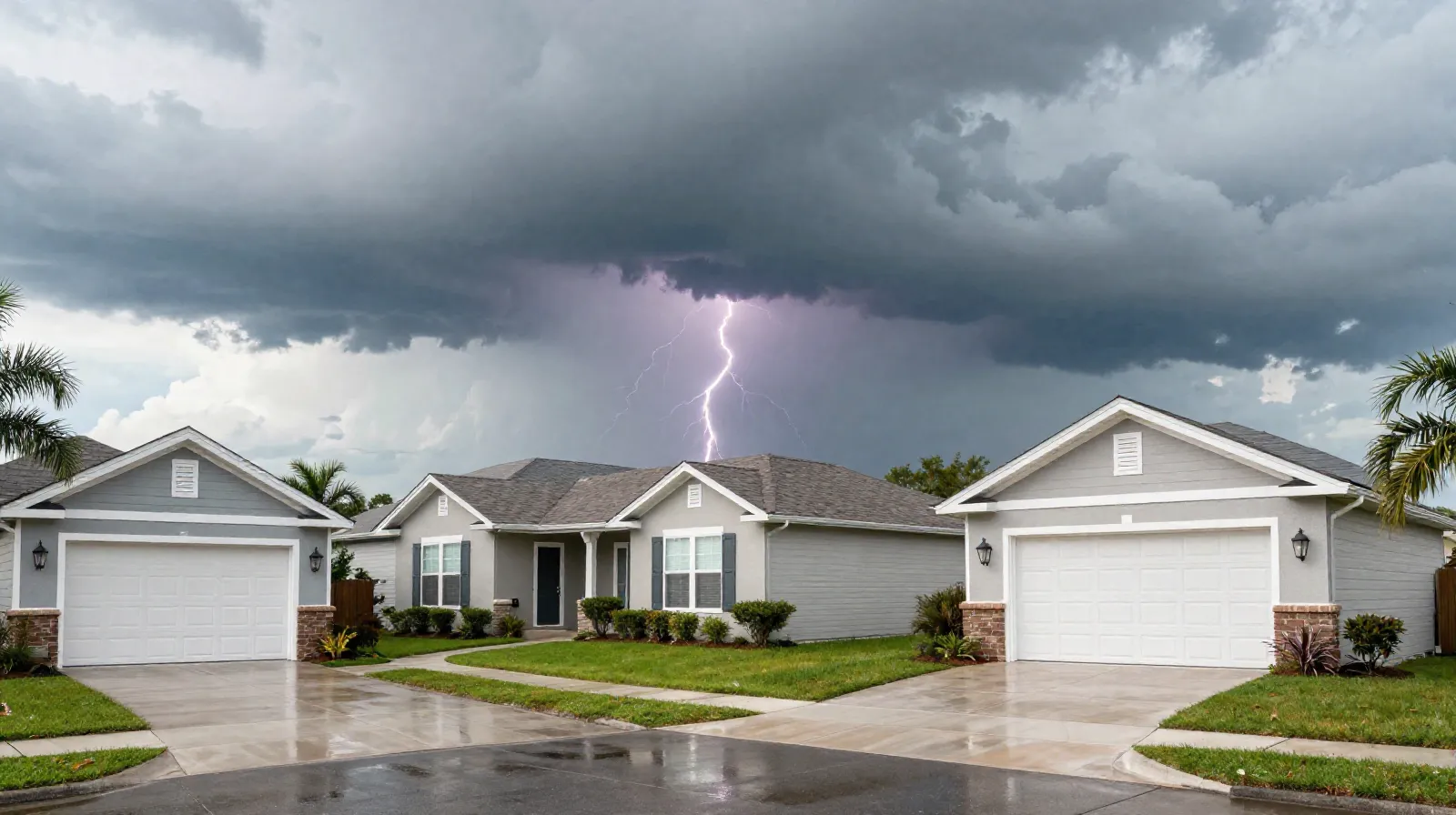
Then there are the summer storms. Lightning near the house can send a surge through the power lines, and the circuit board in an opener is one of the more sensitive things in the garage. After a storm you may find the opener dead, the remotes forgotten or the light blinking an error. Garage door opener repair after a storm often means testing the board and the power supply before anything else.
Opening the door by hand during an outage
Every opener has a manual release, usually a cord with a red handle hanging from the trolley on the rail. Use it only when the door is fully closed and the springs are intact. Pull the cord down and back to free the trolley, then lift the door by the handle. A balanced door should rise smoothly and stay put halfway up. If it feels very heavy, stop and lower it gently, because a spring may be broken. When the power returns, the opener manual explains how to reconnect the trolley.
Garage door opener repair or a new opener
Many openers can be repaired. A new drive gear, a fresh set of sensors, a new remote or a replacement circuit board can give a solid opener many more years. Other times garage door opener replacement makes more sense. Your technician will look at the age of the unit, whether parts are still made for it and how the rest of the door is holding up.
| Problem | Common cause | What usually happens next |
|---|---|---|
| Remote stopped working | Dead battery, lock switch on or lost code | Safe checks at home, then reprogramming |
| Garage door won't open | No power, stripped gear, broken spring or locked door | Check power and springs, then a technician tests the motor |
| Door reverses before closing | Blocked or misaligned photo eyes, limit or force drift | Clean and align sensors, then a technician adjusts settings |
| Motor runs, door does not move | Worn drive gear or loose trolley | Repair inside the motor head |
| Dead after a storm | Power surge, tripped breaker or GFCI | Check power, then test the circuit board |
| Loud, slow or shaky travel | Worn chain, belt or rail, or a door out of balance | Door balance check, then repair or replacement |
Chamberlain, LiftMaster and Genie openers
Chamberlain, LiftMaster and Genie are well known opener brands, and the label on the motor unit tells you which one you have. Chamberlain and LiftMaster opener repair and Genie opener repair start from the same basic checks of power, the board, the gear and the sensors. Parts and programming differ between brands and models, so tell us the brand and model number on the motor label when you call.
Signs it may be time for a new opener
- Parts for your model are no longer made.
- The same opener has needed several repairs in a short time.
- It has no photo eye sensors or safety reverse at all.
- You are also replacing the door and want the two matched. See new garage doors in Tampa for what to think about.
The door industry group DASMA publishes safety information for garage doors and openers, including how to test the safety reverse each month. For a general idea of what affects repair pricing, read the garage door repair cost guide. Your technician explains the price before any work starts.
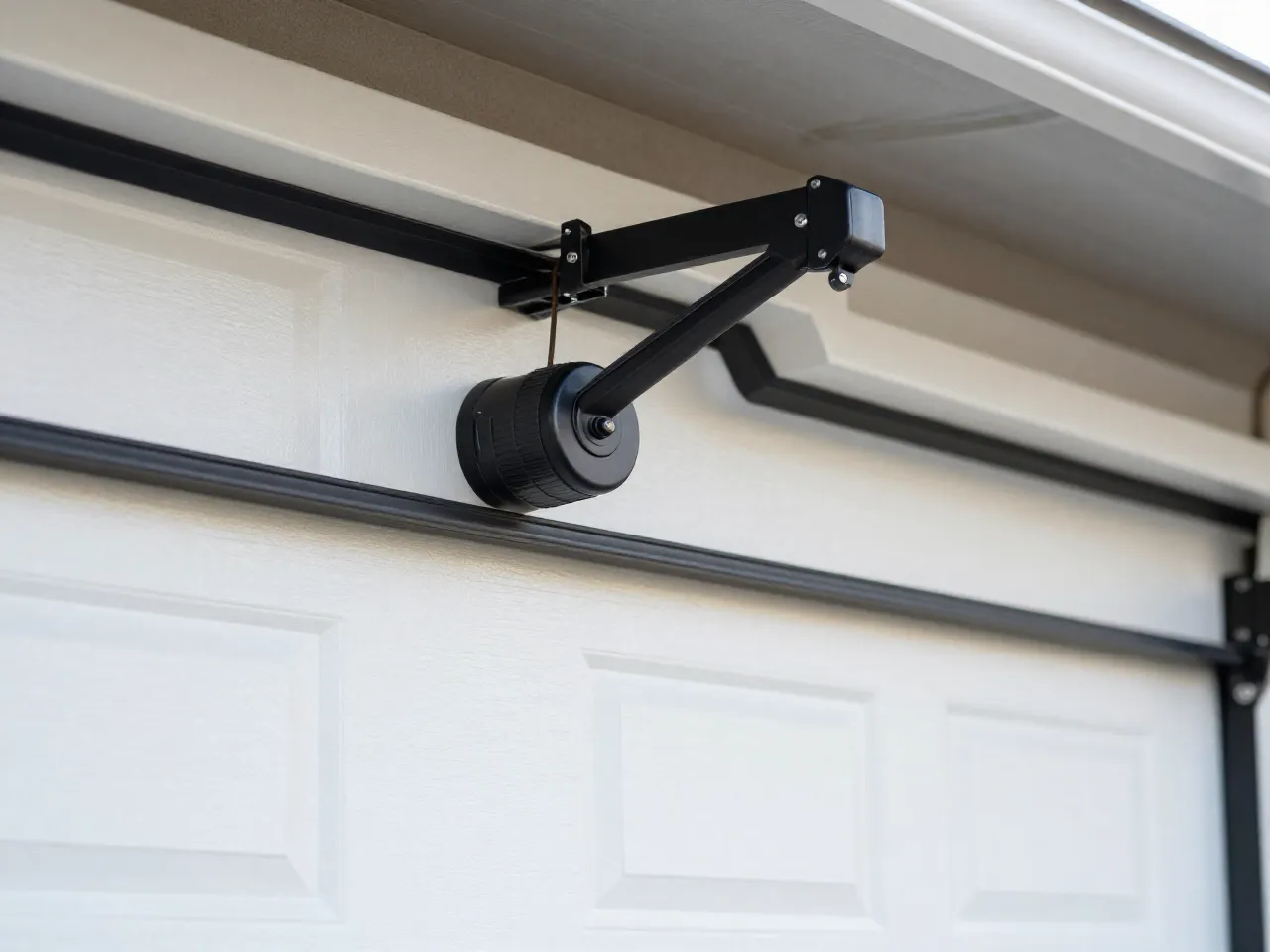
Garage door opener repair across Tampa Bay
SpringRight Garage Doors handles garage door opener repair in Tampa and the towns around it in Hillsborough, Pasco and Pinellas counties. The same problems show up everywhere here. Heat in the garage, summer storms and photo eyes that get bumped or blinded by low sun.
- Garage door opener repair in Tampa, from older homes near the city center to newer neighborhoods to the north.
- Opener repair in Brandon, where many homes have openers that came with the house.
- Opener repair in Wesley Chapel in Pasco County, with many newer homes and larger doors.
- Opener repair in Lutz, on the line between Hillsborough and Pasco.
- Opener repair in Riverview, south of Brandon in Hillsborough County.
- Opener repair in St. Petersburg, where salt air near the water is hard on metal parts.
- In Hillsborough County east and north of Tampa, see opener repair in Plant City, opener repair in Valrico and opener repair in Temple Terrace.
- In Pasco County, see opener repair in Land O' Lakes and opener repair in New Port Richey.
- In Pinellas County, see opener repair in Clearwater, opener repair in Largo, opener repair in Pinellas Park and opener repair in Palm Harbor.
If you are not sure your street is covered, check the full list of garage door repair areas. For other problems with the door itself, see all garage door repairs in Tampa. You can read how SpringRight Garage Doors works or browse the garage door repair FAQ. When you are ready, request garage door opener repair online or call, and your technician will go over the problem with you.
Opener repair across Tampa Bay
 TampaHillsborough County
 BrandonHillsborough County
 Wesley ChapelPasco County
 LutzHillsborough County
 RiverviewHillsborough County
 St. PetersburgPinellas County
 Plant CityHillsborough County
 Land O' LakesPasco County
- Palm HarborPinellas County
 Pinellas ParkPinellas County
 LargoPinellas County
 New Port RicheyPasco County
- Temple TerraceHillsborough County
 ValricoHillsborough County
 ClearwaterPinellas County
Opener repair questions
Why is my garage door opener not working?
The usual causes are dead remote batteries, the lock switch on the wall control, no power at the outlet, or blocked safety sensors. Check those first. If the motor hums but the door stays still, the drive gear may be stripped or a spring may be broken. If nothing happens at all after a storm, a power surge may have damaged the circuit board, and our technician can test it.
How do I open my garage door manually?
Pull the emergency release cord, usually the one with a red handle, while the door is fully closed. That frees the door from the opener so you can lift it by hand. Only do this when the springs are intact. If the door feels very heavy or will not stay up, lower it gently and leave it closed, since a spring may be broken.
How do I reset my garage door opener?
Start by unplugging the opener for about a minute and plugging it back in, which clears some faults. To reprogram a remote, most openers have a learn button on the motor unit. The steps and light codes differ by brand and model, so follow the manual for yours. The model number is on a label on the motor unit.
Why won't my garage door close all the way?
Most often the safety sensors are blocked, dirty or out of line, so the opener reverses the door. Clean both lenses and line them up until the indicator lights stay steady. If that does not fix it, the close limit or force setting may need adjusting, or the door may be binding in the tracks. A technician should make those adjustments and test the safety reverse.
Should I repair or replace my garage door opener?
Repair usually makes sense when the opener is in good shape and parts are available, such as a worn gear, failed sensor or bad remote. Garage door opener replacement makes more sense when parts are no longer made, repairs keep coming, or the unit has no safety sensors. Your technician explains both options before any work starts.
Can heat affect a garage door opener?
Yes. A closed garage in Florida gets very hot, and the opener sits near the ceiling where heat builds up. Over time that heat wears on the motor, the circuit board and plastic parts like the drive gear and sensor housings. Humidity can also corrode wiring and connectors, which leads to faults that come and go. Good airflow in the garage helps.
Can a power surge damage a garage door opener?
Yes. A lightning strike nearby or a surge when power returns after an outage can damage the circuit board inside the opener. Signs include a dead motor unit, remotes that no longer work or a light that blinks an error code. Check the breaker and outlet first. If the power is fine and the opener still fails, call us and a technician can test the board.